
9 Handmade Goods People Reorder

On this page15 sections
- What makes a product reorderable
- Soy candles in a signature scent
- Knitted or crocheted dish cloths
- Pantry and storage labels
- Wax melts and sachets
- Cork and tile coasters
- Hand-poured soap bars
- Seasonal door and wall pieces
- Personalized ornaments
- Refill and replacement products
- Pricing for time, not just supplies
- Batching so production stays manageable
- Making the reorder easy
- Quick answers
- More ideas
Anyone who sells crafts learns quickly that a first sale is the hard part. Finding a customer costs time, whether that means a market booth, a listing, or a stack of photos. The makers who build steady side businesses usually have one thing in common: a few products that people buy again. A candle burns down. A dish cloth wears out. A set of pantry labels leads to a request for the spice drawer.
This guide looks at handmade goods through that lens. Earlier on TekGuideZ we covered small crafts you can finish in a weekend for your own home. This one is about the next step: choosing products that get used up, given as gifts, or extended into sets, so a single happy customer becomes a regular. It is general guidance, not legal or tax advice, and rules for selling handmade goods, especially anything that touches skin or food, vary by place.
As an Amazon Associate I earn from qualifying purchases.
What makes a product reorderable
Before choosing what to make, it helps to know why some products come back and others do not. Reorderable goods tend to share at least one of these traits:
- They are consumed. Candles, soap, and wax melts get used up, so a customer who likes them needs more.
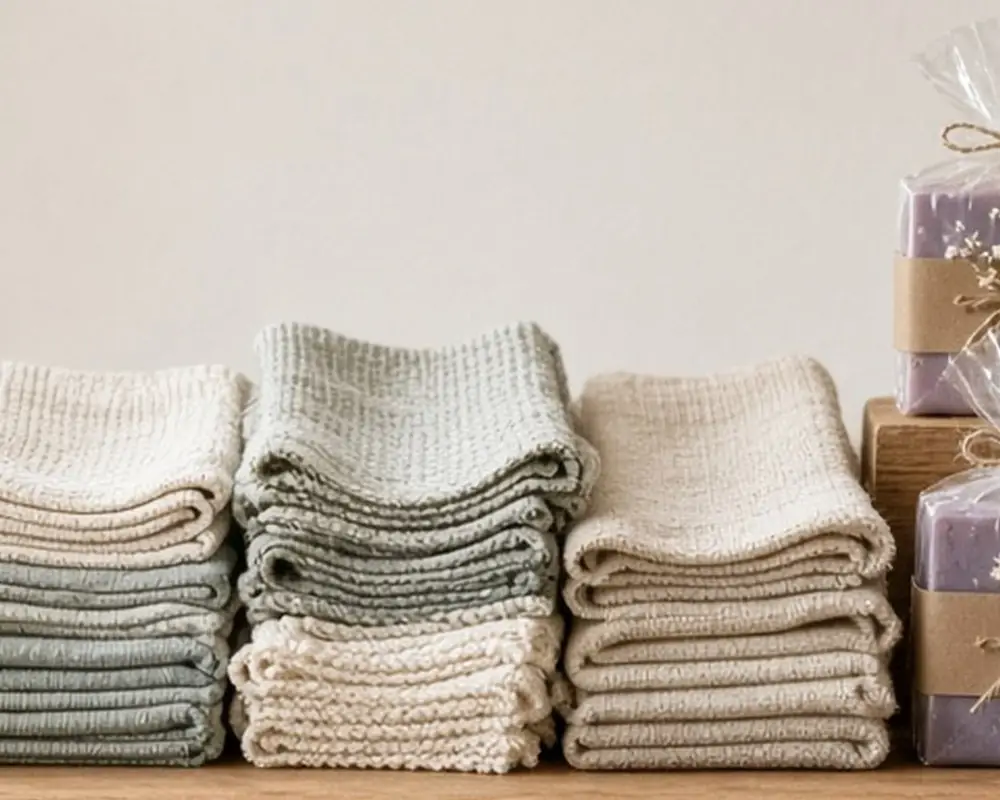
- They wear out. Dish cloths, sponges, and tea towels are used daily and replaced every so often.
- They come in sets. A single label or ornament leads to wanting the rest of the series.
- They make easy gifts. A product that sits in a familiar price range for a host gift or a teacher thank-you gets bought several times a year.
- They can be personalized. Names, dates, and house numbers make each order unique, and people return for new occasions.
A product does not need all five, but the strongest ones have two or three. A personalized, consumable gift is the ideal, which is why candles keep appearing on every handmade list.
1. Soy candles in a signature scent
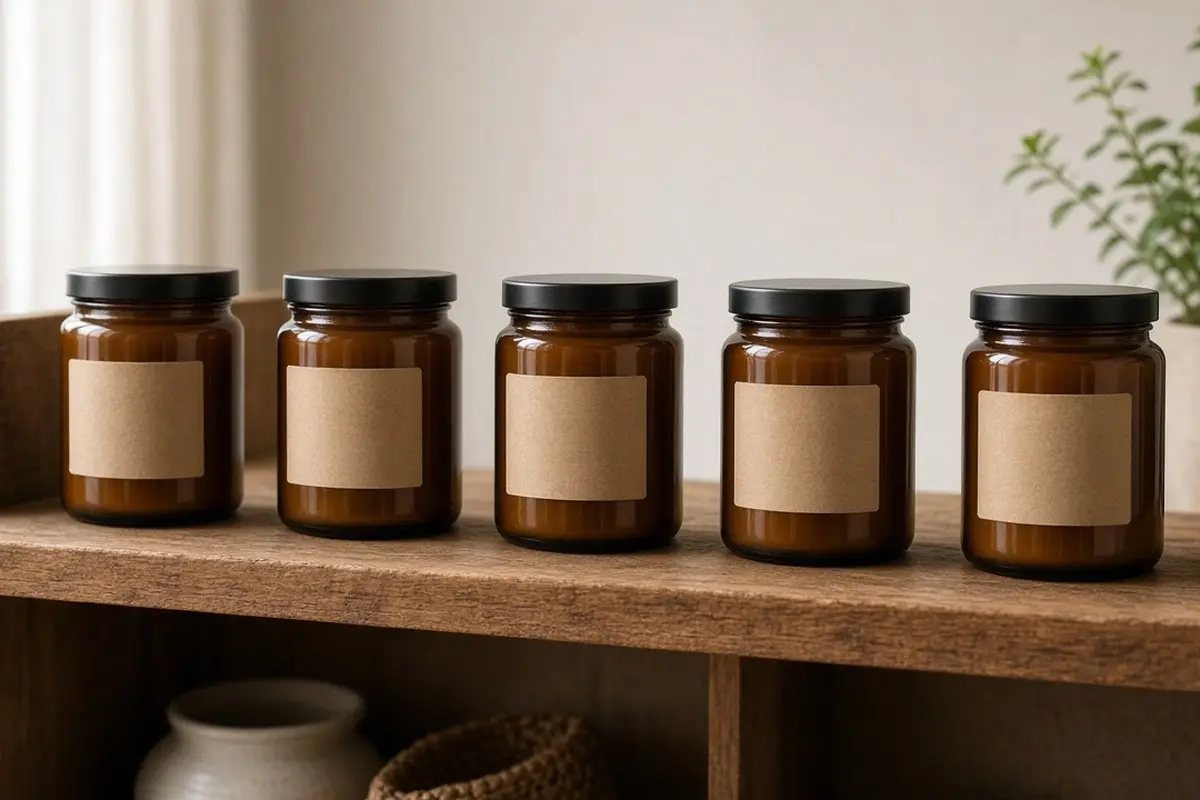
Candles are the classic reorder product because they burn down in a predictable time. The key to repeat sales is consistency: a customer who loved a particular scent wants the next candle to smell and burn exactly the same.
Keep careful batch notes for each scent, including the wax, wick size, fragrance amount, pouring temperature, and container. Test-burn each new recipe fully before selling it, checking for a clean, even melt pool and no excess soot. Offer a small core range of three or four scents rather than twenty, since a short menu is easier to keep in stock and easier for customers to remember.
Candles come with safety responsibilities. Include clear burning instructions and warning labels, and look up the labeling guidance that applies where you sell.
Get the look
2. Knitted or crocheted dish cloths
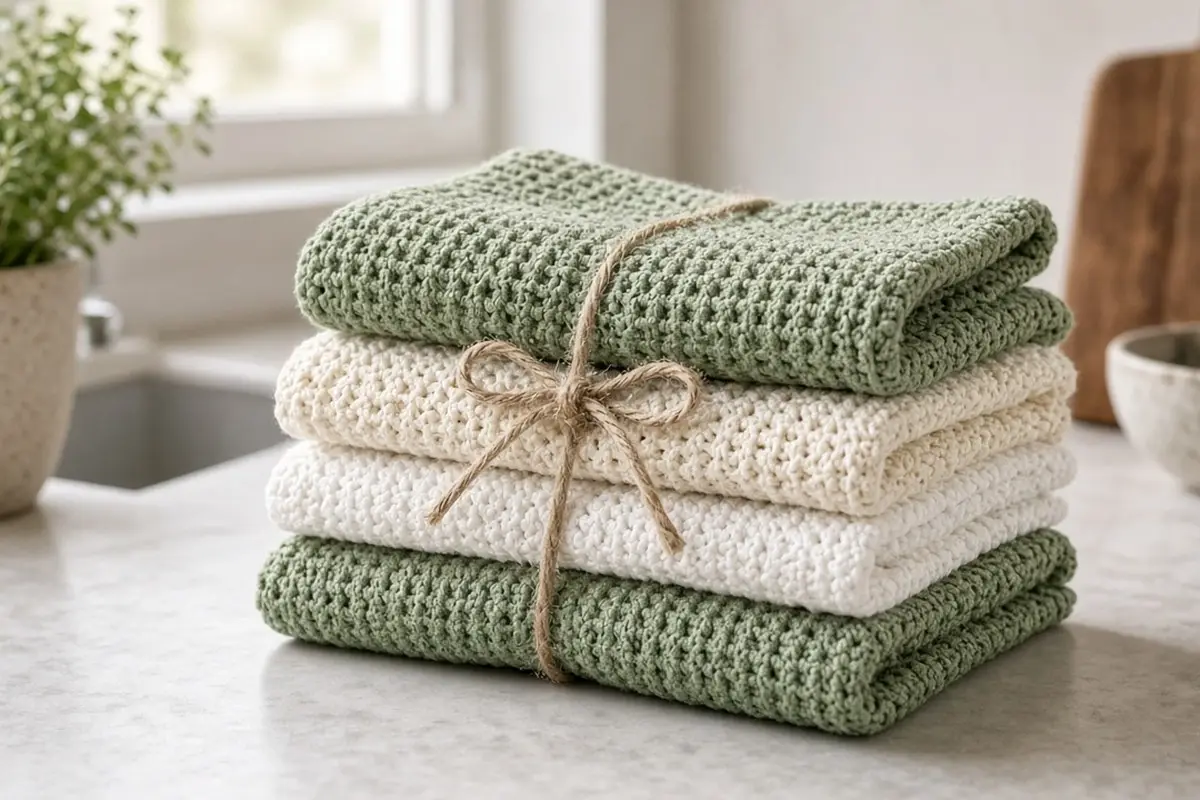
Cotton dish cloths are one of the most dependable handmade products. They are quick to make, they wear out with use, and once someone switches from sponges to cotton cloths, they often stay with them. They also bundle naturally into sets of three, which suits gifting.
Use 100 percent cotton yarn, which is absorbent and holds up to hot washing. Stick to a few reliable patterns, such as a textured waffle stitch or a simple seed stitch, so you can make them quickly while watching television. Offer them in a few coordinated color sets that suit common kitchen palettes: natural and white, sage and cream, or navy and gray.
Get the look
3. Pantry and storage labels
Cut vinyl or printed labels for jars, bins, and baskets are a strong product for anyone with a cutting machine. One customer orders labels for flour and sugar, then comes back for the spice drawer, the laundry room, and the kids’ playroom bins.
Offer a consistent font and style across your catalog so a customer’s later orders match the first ones. That consistency is the reason they return to you rather than starting over elsewhere. Keep a record of each customer’s font, color, and size so you can repeat it exactly. Waterproof label material is worth the extra cost for anything near a sink or in a refrigerator.
For organizing ideas that use labeled bins, see playroom bin storage.
4. Wax melts and sachets
Wax melts are a lower-priced companion to candles. They use the same fragrances and production skills, and a customer can try a new scent without committing to a full candle. Many candle makers find that melts become the product that keeps customers in touch between larger orders.
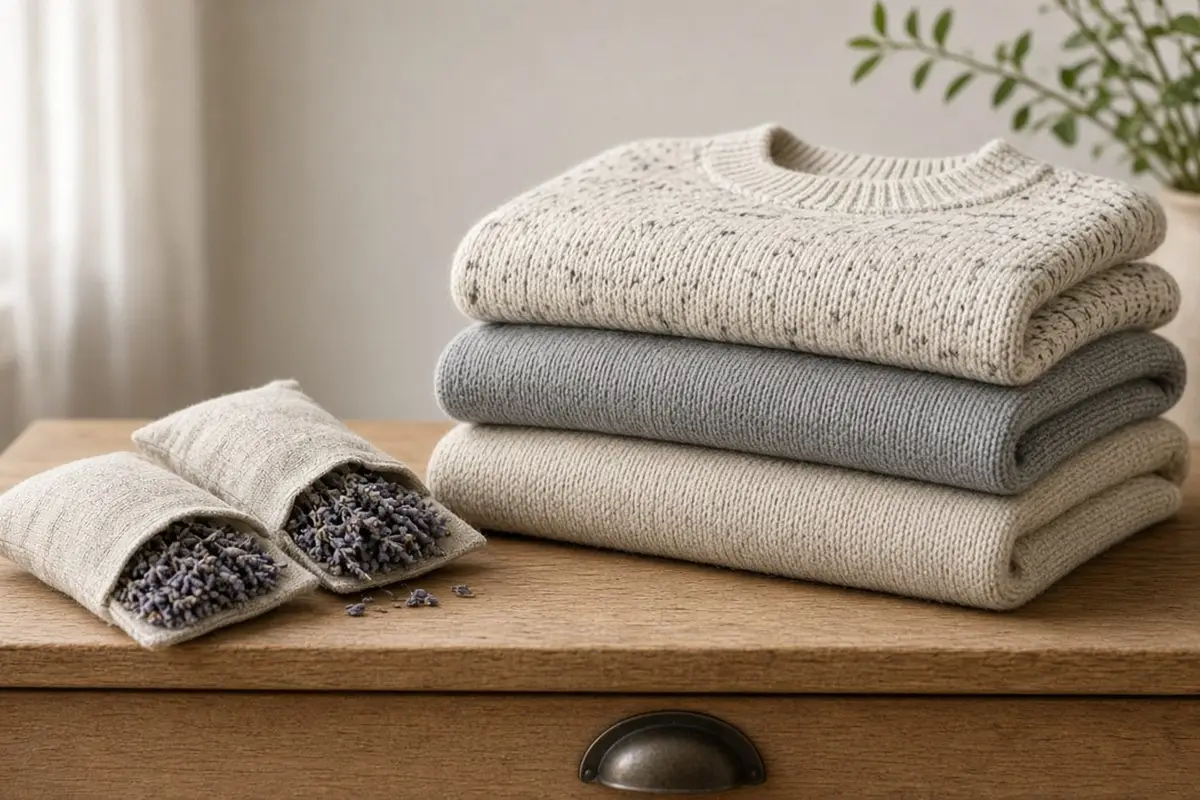
Scented sachets for drawers and closets work the same way. Fill small cotton or linen bags with dried lavender, cedar chips, or rice scented with essential oils. They lose their scent over several months, which creates a natural reason to reorder. Sell refills or refresher oils to make that easy.
Get the look
5. Cork and tile coasters
Coasters sell in sets of four, and people often return for a second set for another room or as a gift. They are a natural fit for personalization, such as a family name, a city map, or a wedding date.
Choose a single core style and build variations from it. For example, a round cork coaster with a printed or engraved design can come in seasonal versions, which gives regular customers a reason to buy again each fall or winter. Felt or cork backing protects tables and is a small detail customers notice.
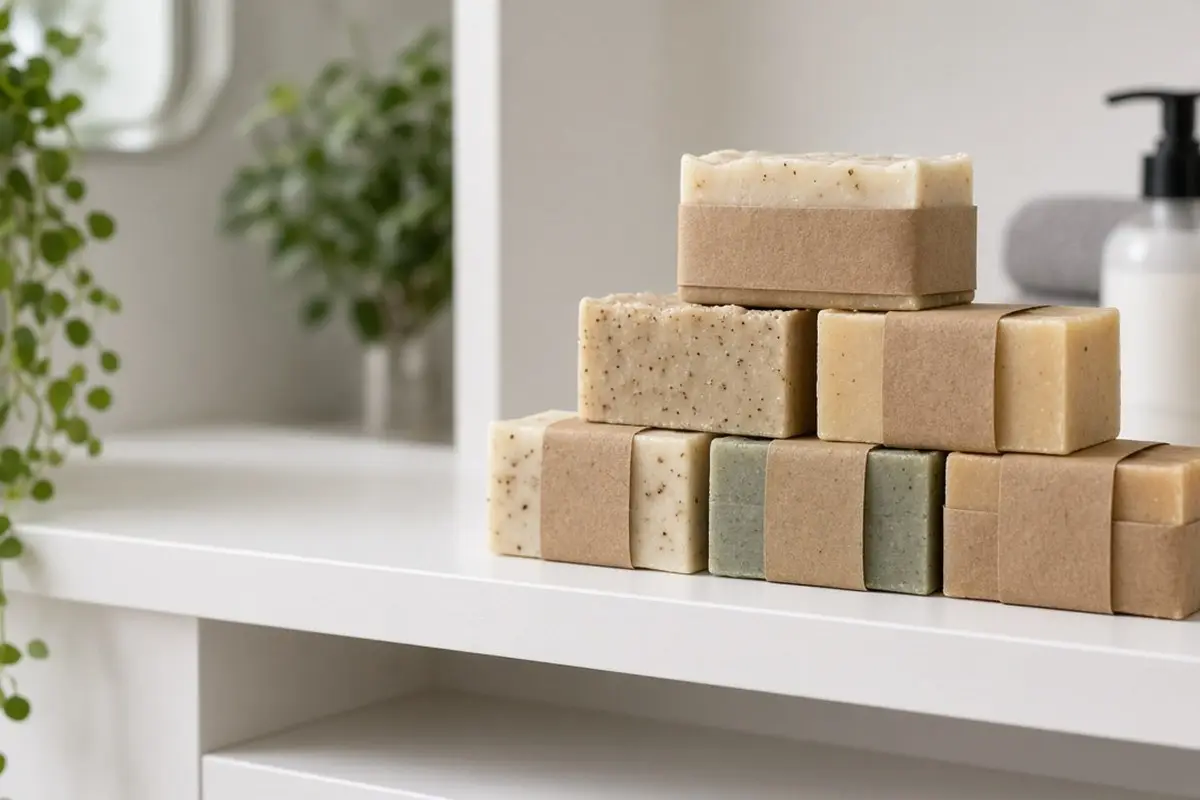
6. Hand-poured soap bars
Soap is a consumable that many people use every day, so a customer who likes your bars will come back. Melt-and-pour soap bases are the easiest way to start, since they avoid handling lye. Cold-process soap allows more control but involves caustic chemicals and requires careful study and protective equipment.
Soap and other products applied to skin often have specific labeling and ingredient rules. Research the rules that apply where you live and sell before you list anything. Simple, unscented or lightly scented bars appeal to the widest group of customers, including people with sensitive skin.
Get the look
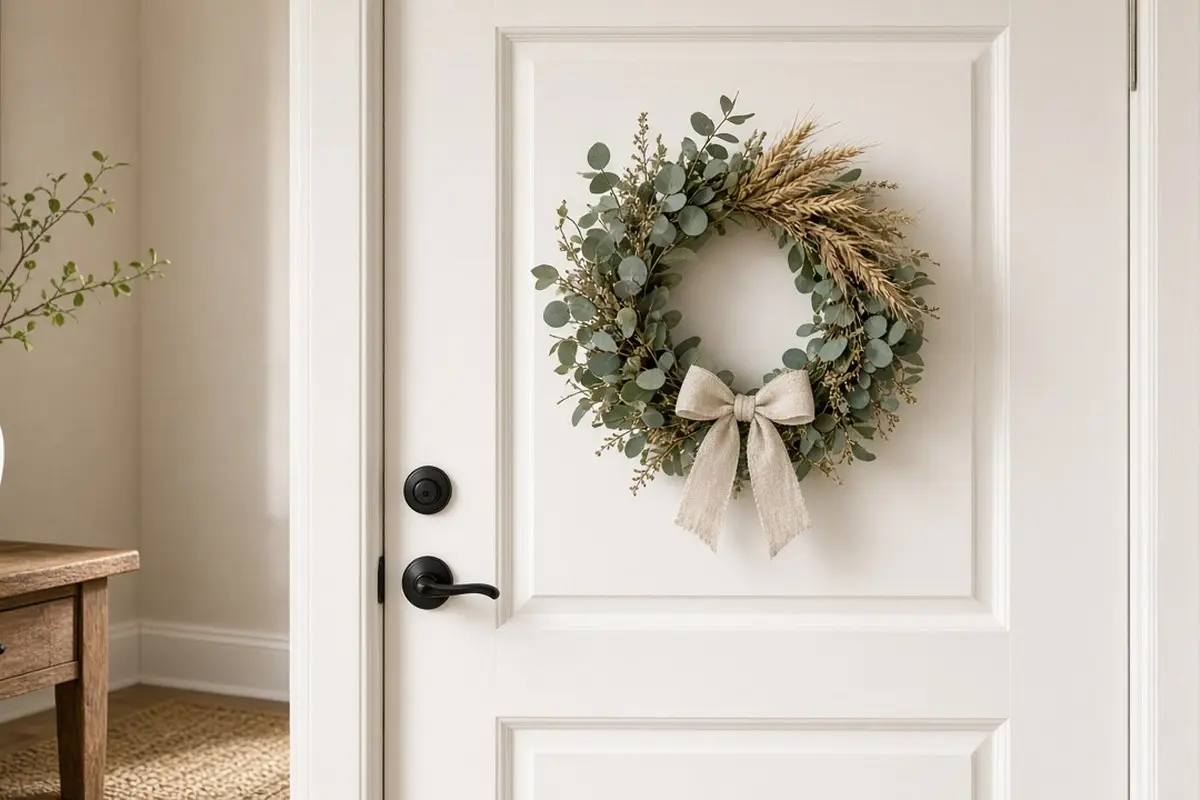
7. Seasonal door and wall pieces
A wreath, a small door hanger, or a seasonal sign is a single purchase, but a good maker can turn it into an annual relationship. A customer who buys a fall wreath may come back for a winter version, then a spring one. Build a small seasonal line around one consistent style, so the pieces feel like a collection.
Plan seasonal production early. Most customers shop for fall decor in late summer and for winter decor before Thanksgiving, so finishing products early gives you time to photograph and list them. Keep each piece durable enough to store and reuse, since customers notice when a piece holds up to a second season.
Get the look
8. Personalized ornaments
Ornaments are naturally collectible. Many families add one every year, marking a new baby, a first home, or a year’s big event. Offering a consistent annual design, with a new year date each time, creates a reason for customers to return every December.
Wood, clay, and clear acrylic ornaments are popular bases. Keep a file of each customer’s past order so you can match the style and suggest the next one. Take orders early, since personalization takes longer than stock items and the holiday window is short.
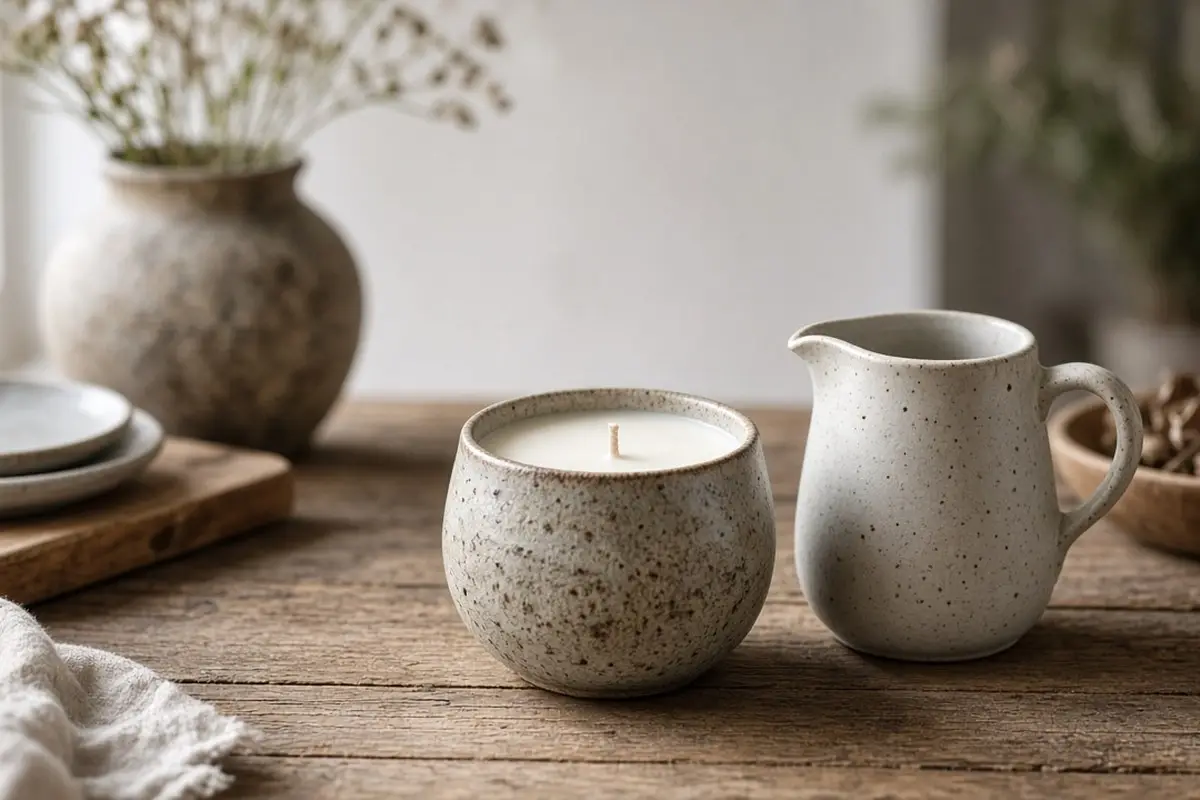
9. Refill and replacement products
The most reliable reorder products are refills for things you already sold. A candle customer may want a refill pour in their own jar. A sachet customer needs fresh lavender. A label customer needs one more label for a new jar. Offering refills makes reordering easy and builds loyalty, since the customer keeps the container or set they love.
Make refills easy to find and simple to order, and include a note with each original purchase explaining that refills are available.
Get the look
Pricing for time, not just supplies
Many new sellers price by adding up materials and doubling the total. That approach almost always underpays the maker. A sustainable price covers four parts:
- Materials: everything that goes into the product, including packaging and labels.
- Labor: your time, at an hourly rate you would accept for any other job.
- Overhead: tools, platform fees, shipping supplies, test batches, and the products that do not turn out.
- Profit: the amount left after costs, which lets you reinvest and grow.
Time each step of a batch to know your real labor time. Reorderable products often get faster to make with practice, which improves your margin over time without raising the price.
Batching so production stays manageable
Reorderable products are best made in batches. Pouring twenty candles takes much less than twenty times the effort of pouring one. Set aside specific days for production, packaging, and shipping, rather than doing each order from start to finish.
Keep a small stock of your best sellers ready to ship. When a regular customer orders, a quick delivery reinforces their choice to come back. Track which products sell steadily and which ones sit, and drop the slow ones to free up time.
A dedicated space helps, even a small one. For ideas on setting up a room you can close the door on, see the hobby room with a door guide.
Making the reorder easy
Small details help customers come back:
- Include a card with each order listing your shop name and how to reorder.
- Use the same product names every time, so a customer can ask for “the cedar one” and get it.
- Keep consistent packaging, so your products are recognizable on a shelf.
- Send a short note when a seasonal line is ready, to customers who have asked to hear from you.
None of this needs to be elaborate. A handwritten thank-you card and a reliable product do more than any marketing plan.
Quick answers
Which product is easiest to start with? Dish cloths and labels. Both need low startup costs and no special safety equipment.
Should I offer custom orders? Yes, within limits. Offer a few personalization options rather than fully custom designs, which take much more time.
How many products should I sell? Start with three to five. A small, well-made range is easier to keep in stock and easier for customers to remember.
More ideas
If you are just starting to make things, begin with the projects in small crafts you can finish in a weekend.