
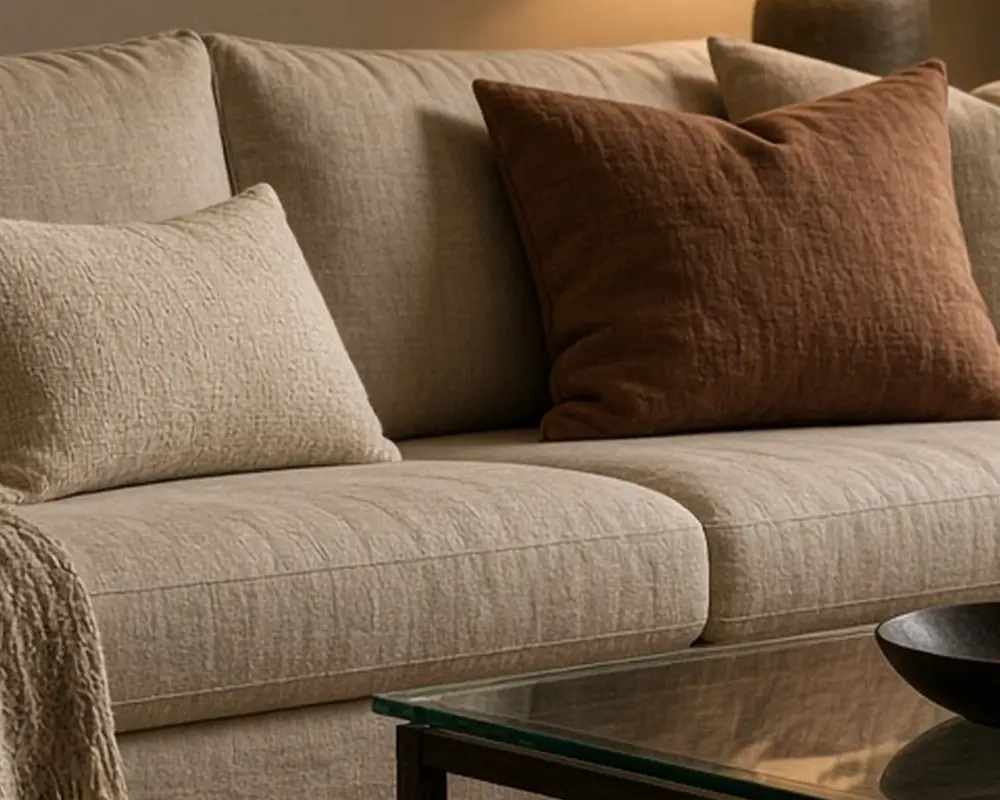
7 Living Room Habits Worth Keeping This Year

On this page9 sections
Every year brings a new list of living room trends: a color of the year, a sofa shape, a material everyone suddenly wants. Some of them are lovely. Most of them fade before the furniture is paid off. What actually keeps a living room feeling good, year after year, is less exciting and far more useful. It is a handful of habits.
The seven below are the ones worth keeping. They cost little or nothing, they suit almost any style, and they make the room you already have look and feel better. Think of them as current living room style that does not go out of date. If you would rather start with a quick physical reset, the calm living room weekend refresh pairs well with this list.
As an Amazon Associate I earn from qualifying purchases.
1. Lamps on at dusk, overhead light off
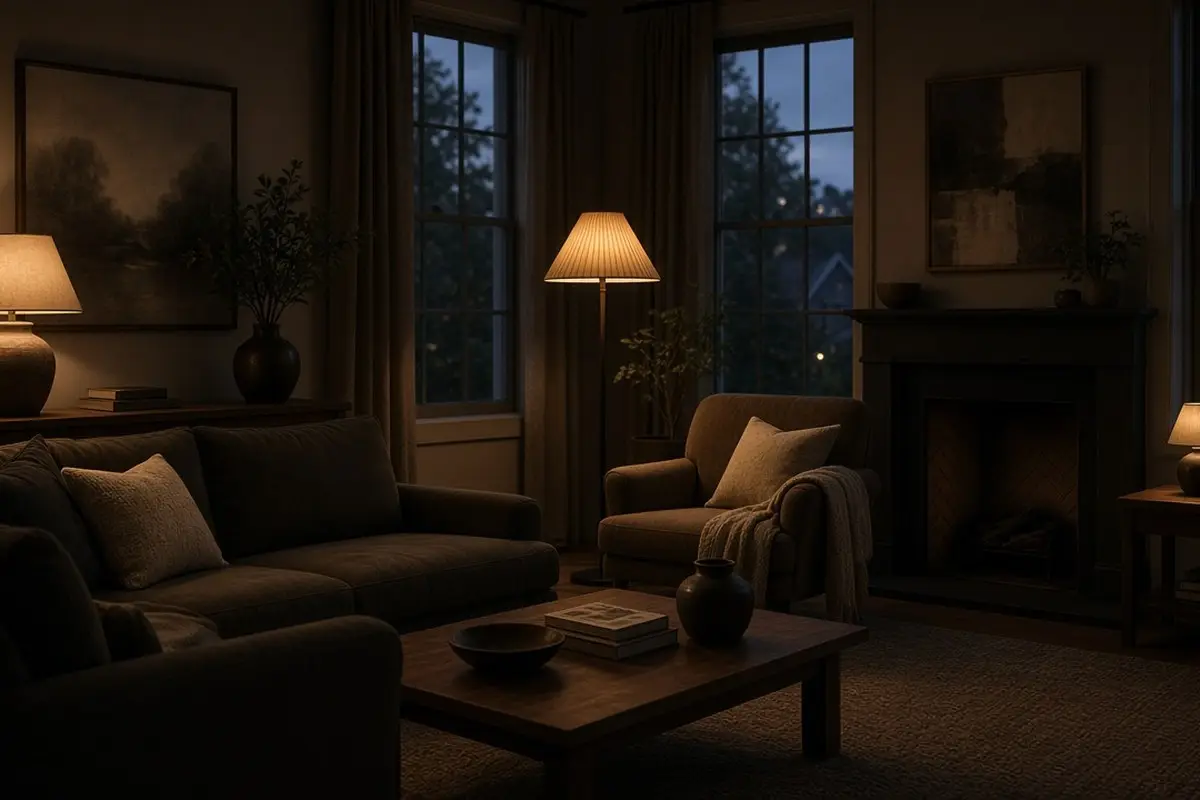
The single best living room habit is switching from the ceiling light to lamps as soon as daylight fades. Overhead light is flat. It lights the top of everything and casts shadows under eyes and furniture. Lamps at different heights light the room from the side, which is how a space looks warm and relaxed.
Make it automatic. Put two or three lamps on smart plugs or simple outlet timers set to come on around sunset. Use the same warm 2700K bulbs in all of them so the light matches. When the lamps come on by themselves, you stop reaching for the big switch by the door.
Aim for at least three light sources in the evening: a floor lamp near the sofa, a table lamp on the opposite side, and something low, like a small lamp on a shelf. The room will look larger, softer, and more finished than it ever does under a ceiling fixture. This one habit changes a living room more than a new sofa.

2. A ten-minute evening reset
A living room gets messy in small pieces: a mug here, a blanket there, a few toys, the day’s mail. Each item is nothing. Together, by Friday, they make the room feel tired. The fix is a short reset every evening before bed.
Set a timer for ten minutes. Return cups to the kitchen, fold the throw over the sofa arm, plump the pillows, stack the books, clear the coffee table, and put remotes in their box. That is all. Do not start a deep clean. The point is to wake up to a room that is ready to use.
It works best when everything has a home. A basket for throws, a tray for remotes, a drawer for chargers. If something has nowhere to go, the reset turns into a puzzle and you will stop doing it. Spend one weekend giving every common item a place, and the evening reset becomes almost thoughtless.

Get the look
3. Practical living room updates, one at a time
Big makeovers are tempting, but they are expensive and easy to get wrong. A better habit is one small, practical update a month. Swap the bulbs. Raise the curtain rod. Replace flat pillow inserts. Add felt pads to chair legs. Hide the cords behind the TV. Each takes an afternoon or less.
One change at a time lets you see what actually made a difference. If you change ten things at once and the room still feels wrong, you will not know why. If you change one thing and live with it for a few weeks, you learn the room. Keep a short note on your phone with the next three updates you want to make.
Spread spending the same way. A small budget each month adds up to a much better room over a year, without the regret of a rushed big purchase.


4. Care for the sofa like it matters
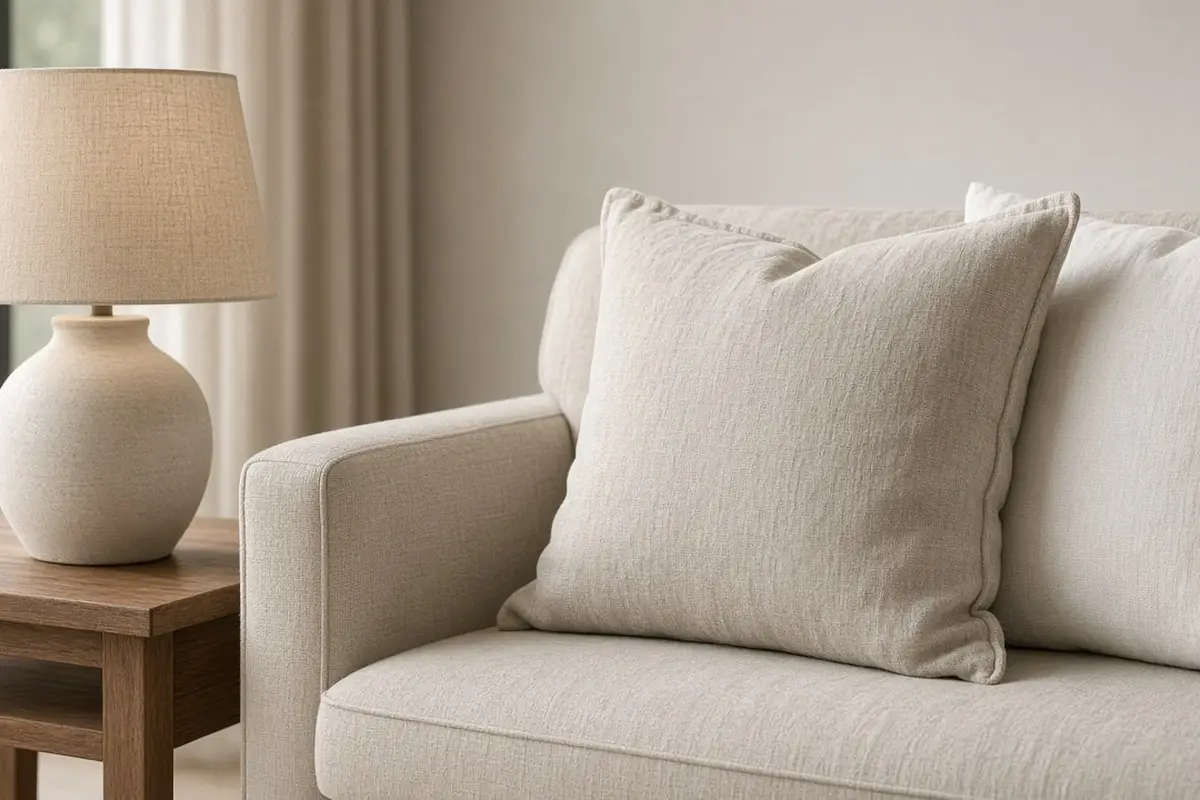
The sofa is the most used and most expensive piece in most living rooms, and it usually gets the least care. A few habits make it last years longer and look better every day.
Flip and rotate the seat cushions every couple of weeks if they are loose. That spreads wear evenly, so one end does not sag. Vacuum the crevices once a week with an upholstery tool, since crumbs and grit wear the fabric from inside. Blot spills straight away instead of rubbing them. Keep it out of strong direct sun, which fades fabric and dries leather.
If the sofa is leather, condition it twice a year. If it is fabric, check the cleaning code on the label before using any product. A washable throw over the most-used seat takes the daily wear and can go into the washing machine.
Small care keeps the sofa looking like new far longer than any trend could.

Get the look
5. Fewer things, better placed
The rooms that feel calm usually have fewer objects, not better ones. A useful habit is to walk the living room once a season and take away anything you have stopped noticing. That candle you never light, the bowl that only collects keys, the stack of magazines from last year. Put them in a box in a cupboard for a month. If you do not miss them, let them go.
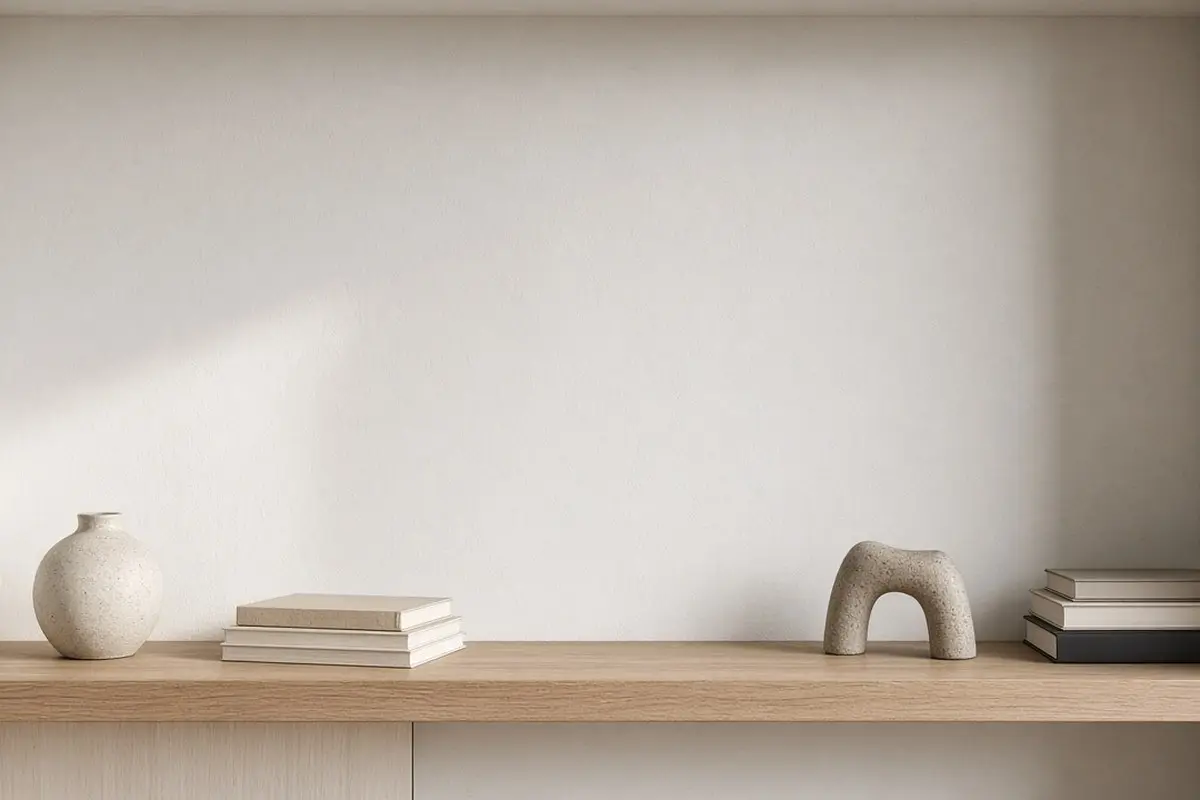
With fewer things, the ones you keep get room to be seen. A single ceramic bowl on a clear table looks deliberate. Five small objects in a row look like clutter. Leave empty space on every shelf and surface. It is the cheapest decor there is.
This habit also makes cleaning faster, which makes the evening reset easier. The two support each other.
Be gentle with sentimental things. Gifts and family pieces do not have to leave the house, only the living room surfaces. A single shelf or a memory box in a cupboard keeps them safe and close without crowding the room you use and clean every single day.
6. Seasonal swaps in one box
Keep a single box of seasonal living room pieces: two sets of pillow covers, a heavier throw and a lighter one, and a few small objects. Twice a year, swap them. Linen and cotton in spring and summer, wool and velvet in autumn and winter.
One box keeps it simple. You do not need to redecorate for every holiday. Changing pillow covers and a throw is enough to make the room feel fresh with the season, and the swap takes fifteen minutes. Store the off-season pieces in the same box, labeled, in a closet. Nothing new needs to be bought each year.
Build the box slowly. Start with what you already own, such as a wool throw from the bedroom or a pair of velvet covers bought on sale. Add one piece a year if something wears out. Choose covers in colors that work with your sofa and rug, so either set looks right. A warm rust or ochre set for the colder months and a soft green or blue set for the warmer ones is a combination that suits most neutral rooms.
Wash the off-season covers before you put them away. Folding them clean means the swap really does take fifteen minutes when the weather turns, and nothing smells of storage when you pull it out.

7. Open the window, even briefly
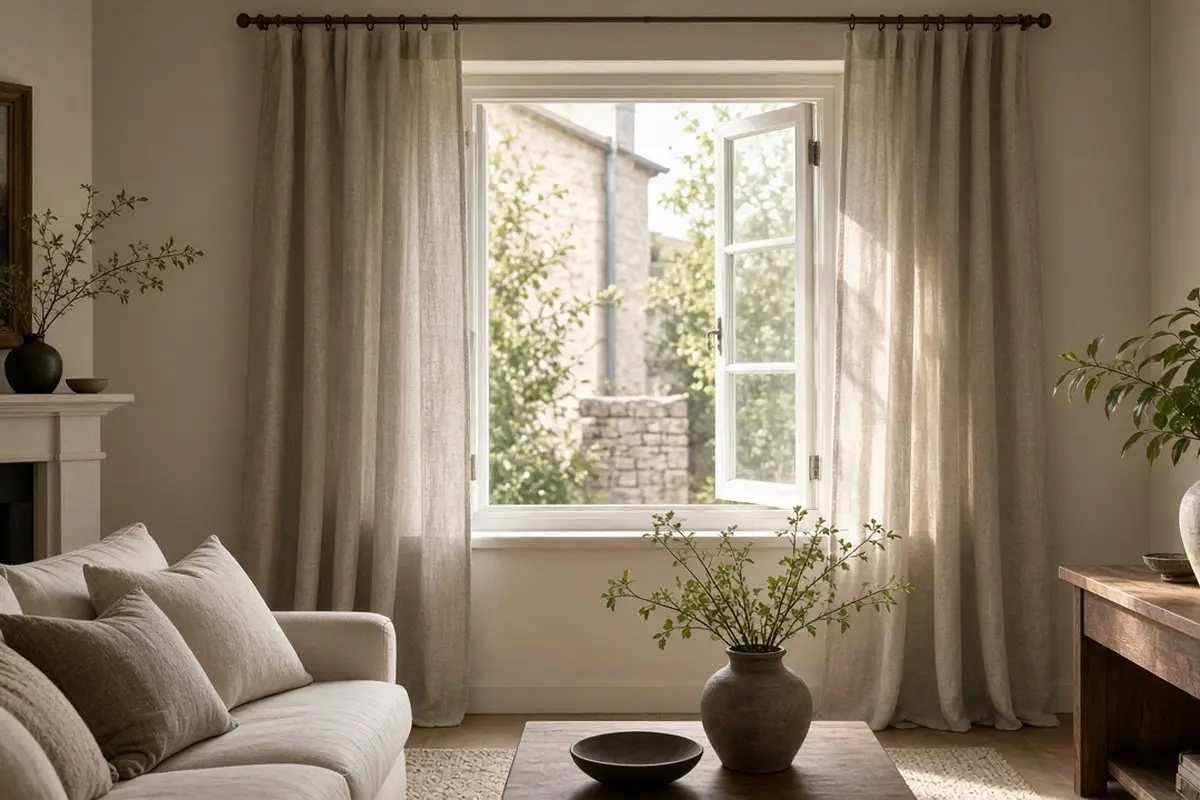
Fresh air changes how a room feels. Even in cold months, opening a window for ten minutes in the morning clears stale air, reduces odors from cooking and pets, and makes the space feel lighter. Pair it with pulling the curtains fully open to let in as much daylight as possible.
Clean the windows twice a year. It sounds minor, but clean glass lets noticeably more light into a living room, and natural light makes every color in the room look better. Keep the windowsill clear, too. A crowded sill blocks light and collects dust.
Small daily habits like this, done for a year, make a bigger difference than any trend.
If you live on a busy street or have allergies, a small air purifier in the corner does part of the same job on days when opening the window is not practical. Choose a quiet model, run it on a low, quiet setting, and keep it out of the walking path.
Get the look
Tips Before You Start
- Put lamps on smart plugs or timers set for dusk.
- Give every common item a home before trying a nightly reset.
- Make one small update a month and live with it.
- Rotate sofa cushions and vacuum crevices weekly.
- Remove what you stopped noticing once a season.
- Keep one seasonal box for pillows and throws.
FAQ
What are the main living room ideas for 2026?
The most useful ones are habits rather than purchases: warm lamp light, fewer objects, practical small updates, and good care of what you own. They suit any style, so they will not date.
How do I make my living room cozier without buying anything?
Switch to lamps at night, clear surfaces, and add a throw from another room. The living room edits you already own post has more ideas.
How often should I update my living room?
A small change once a month and a bigger rethink every few years works well for most homes.
What is the quickest daily habit that helps?
The ten-minute evening reset. It keeps the room ready every morning. For more small, low-cost fixes, try the hundred dollar room refresh.
Trends come and go, but habits stay. Keep these seven, and your living room will feel calm, current, and cared for all year, no matter what the trend reports say.