
10 Room Changes You Can Finish for About a Hundred Dollars

On this page12 sections
A room makeover on a budget fails when the first cart is a sofa. A hundred dollars will not buy a sofa, and it should not try. It will buy the five small jobs that make the room you have look finished: a painted door, two bulbs, a higher rod, a plant, and hardware that matches. We split the money before we shop, and we leave a little unspent on purpose.
The free edits in the living room post still come first. Turn the sofa, clear the table, and raise the things you already own. Spend the hundred dollars only on what those edits cannot do.
As an Amazon Associate I earn from qualifying purchases.
1. Paint the door, not the room
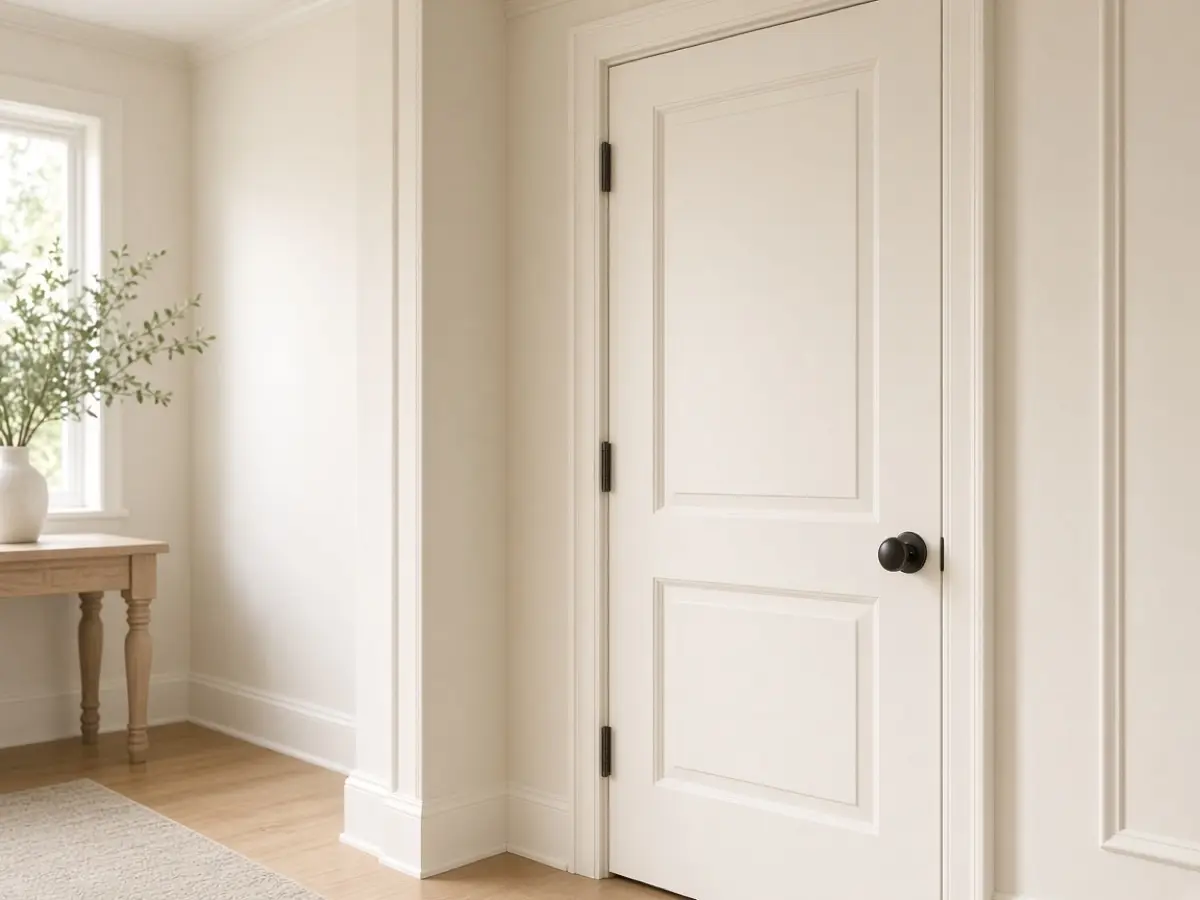
A quart of paint in a satin finish covers a standard interior door with some left for the frame. A gallon for every wall is how a hundred-dollar plan becomes a three-hundred-dollar one. Pick a color one step deeper than the wall, or a clean white if the door is scuffed and yellow. Tape the hinges or remove them. Two coats, a four-hour gap if the can says so, and the door reads as new from the hall.
Set aside about thirty dollars for the quart, a small roller, and a brush you will actually wash. Skip the sample pots unless you are unsure. One door is a small enough mistake that a sample is optional. If the trim is also tired, do the door this weekend and the baseboards next month. Do not start both and run out of paint mid-brush.


2. Replace the two bulbs you notice
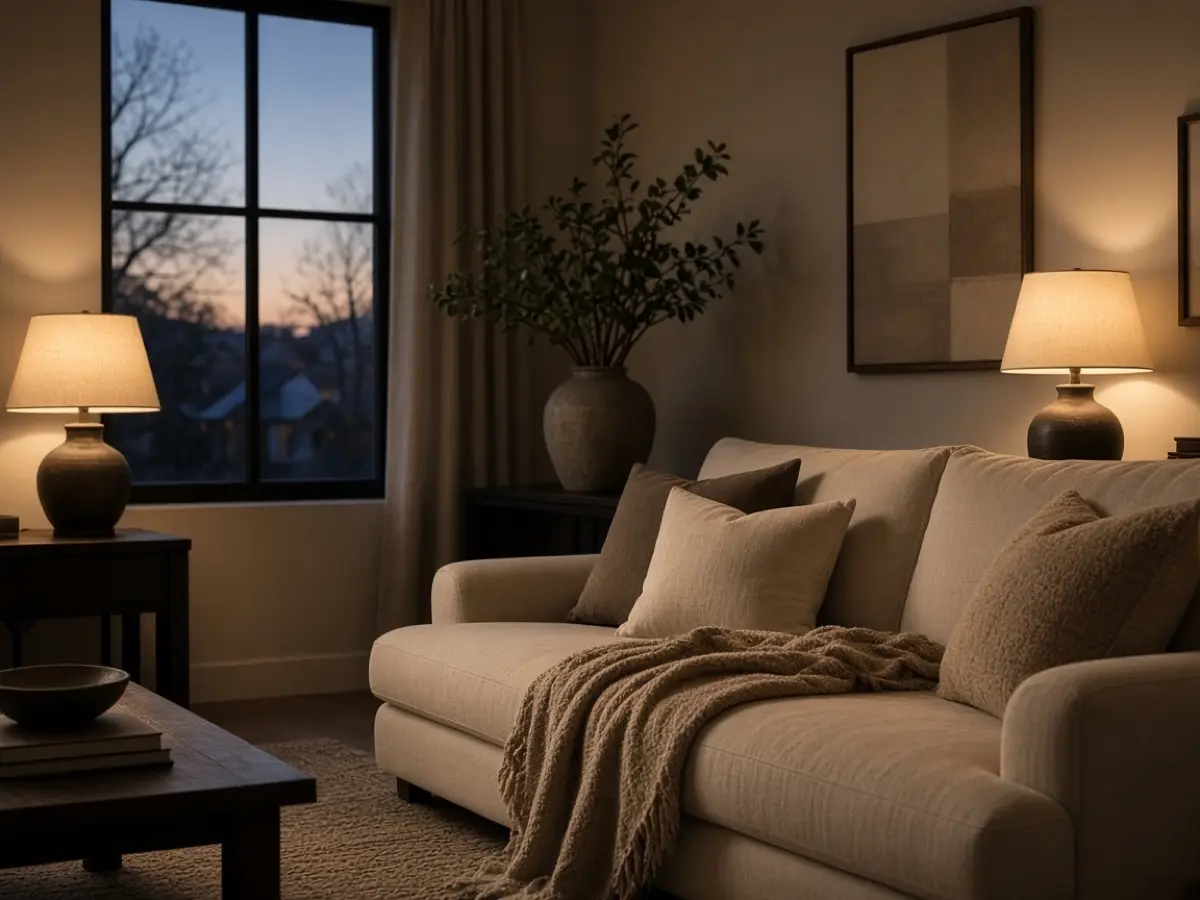
The lamp by the sofa and the ceiling light you flip at dusk are the only bulbs that change how the room feels. Buy the same 2700K warmth for both so the room is not half blue and half amber. Check the fixture for a maximum wattage and for whether it wants an LED that is dimmable. A cheap non-dimmable bulb in a dimmer will buzz, and then you have spent the money twice.
Plan on about fifteen dollars. Keep the old bulbs in a drawer for a week in case one of the new ones fails, then recycle them. This is the same light move as the bathroom bulb, just aimed at a room you sit in. Do not replace every bulb in the house in the same trip. The hallway can wait.


3. Move the curtain rod up
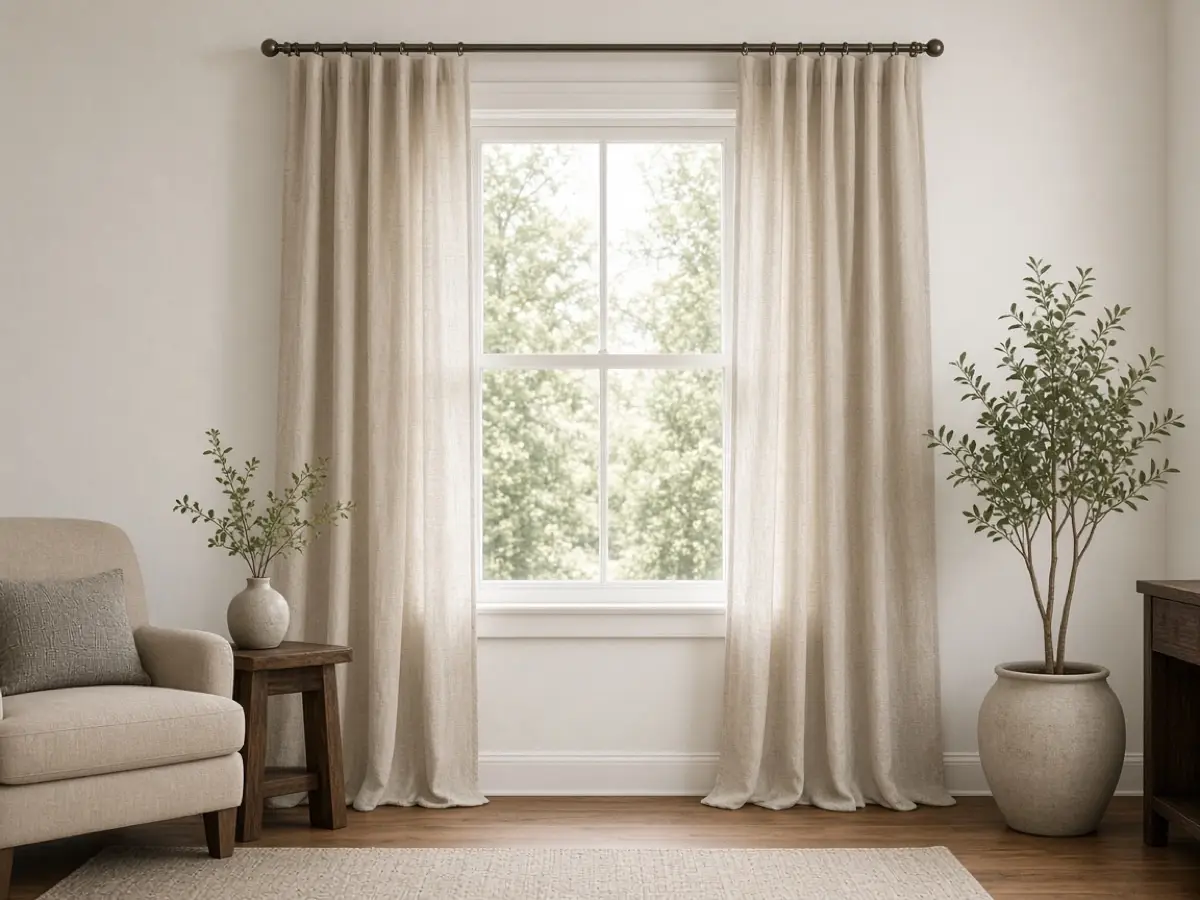
If the rod sits on the window trim, the window looks short. A new rod, or the same rod moved 4 to 6 inches toward the ceiling and 6 inches wider than the frame on each side, changes the wall more than new curtains. Use the curtains you have if they are long enough. If they are short, this is not the weekend to buy panels. Banking the rod and living with the old length for a month is better than cheap panels that are still too short.
Brackets, a rod, and a handful of screws should land near twenty-five dollars. Find a stud or use anchors rated for the weight. A rod that sags in the middle looks worse than the low rod you started with. Measure twice, because patching anchor holes is a second job you did not budget.


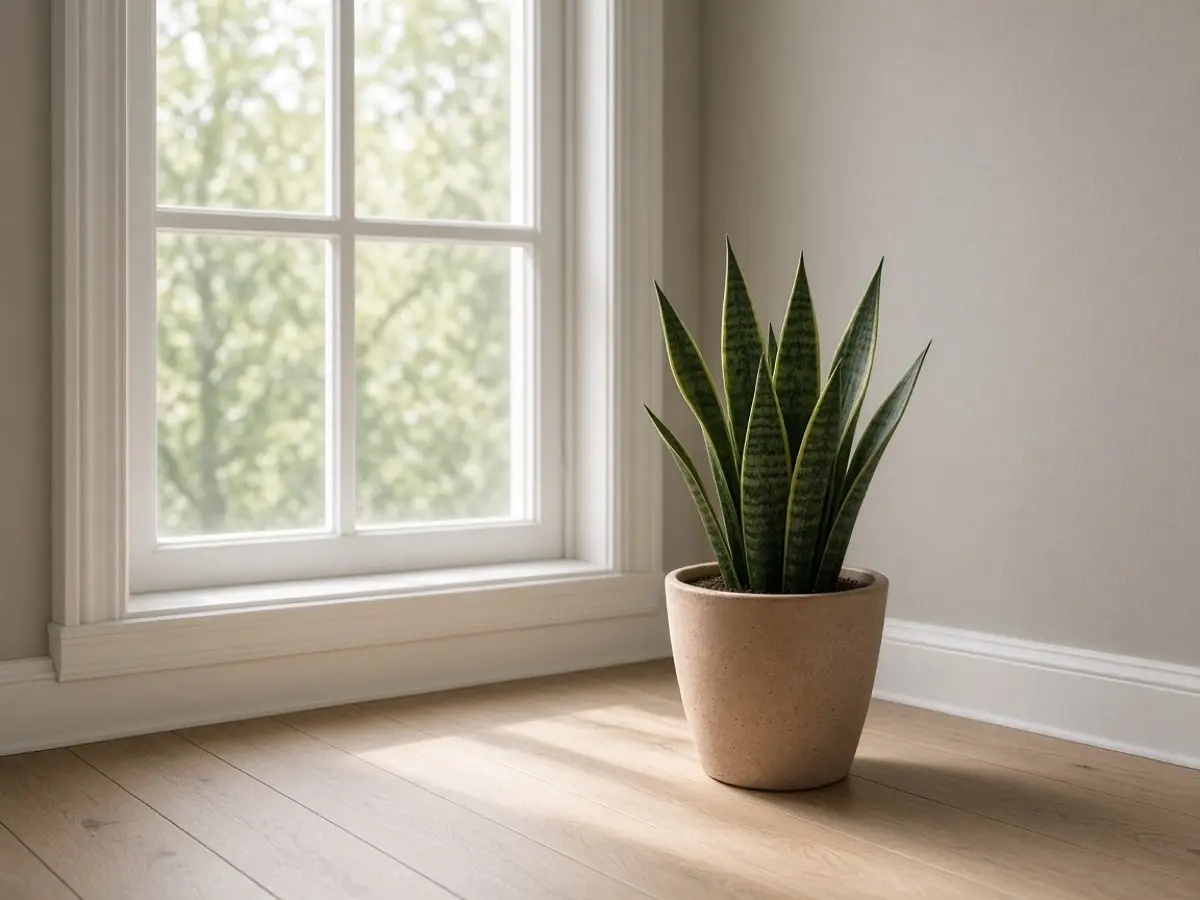
4. Buy one plant you can keep alive
One plant in a pot you already own, set on the floor by the window or on a stand you have, is the only greenery in this budget. A fiddle-leaf that dies in a month is a bad twenty dollars. A snake plant or a pothos in medium light is more likely to be here in March. Check the pot for a drainage hole. If it has none, keep the nursery pot inside it and take that inner pot to the sink when you water.
Leave about fifteen dollars for the plant. Skip the decorative pot if you do not own one. A plain nursery pot on a saucer is honest and cheaper, and you can hide it in a basket you already use for magazines. Water when the top inch of soil is dry, not on a schedule you found for a different plant.



5. Match the plates on one wall
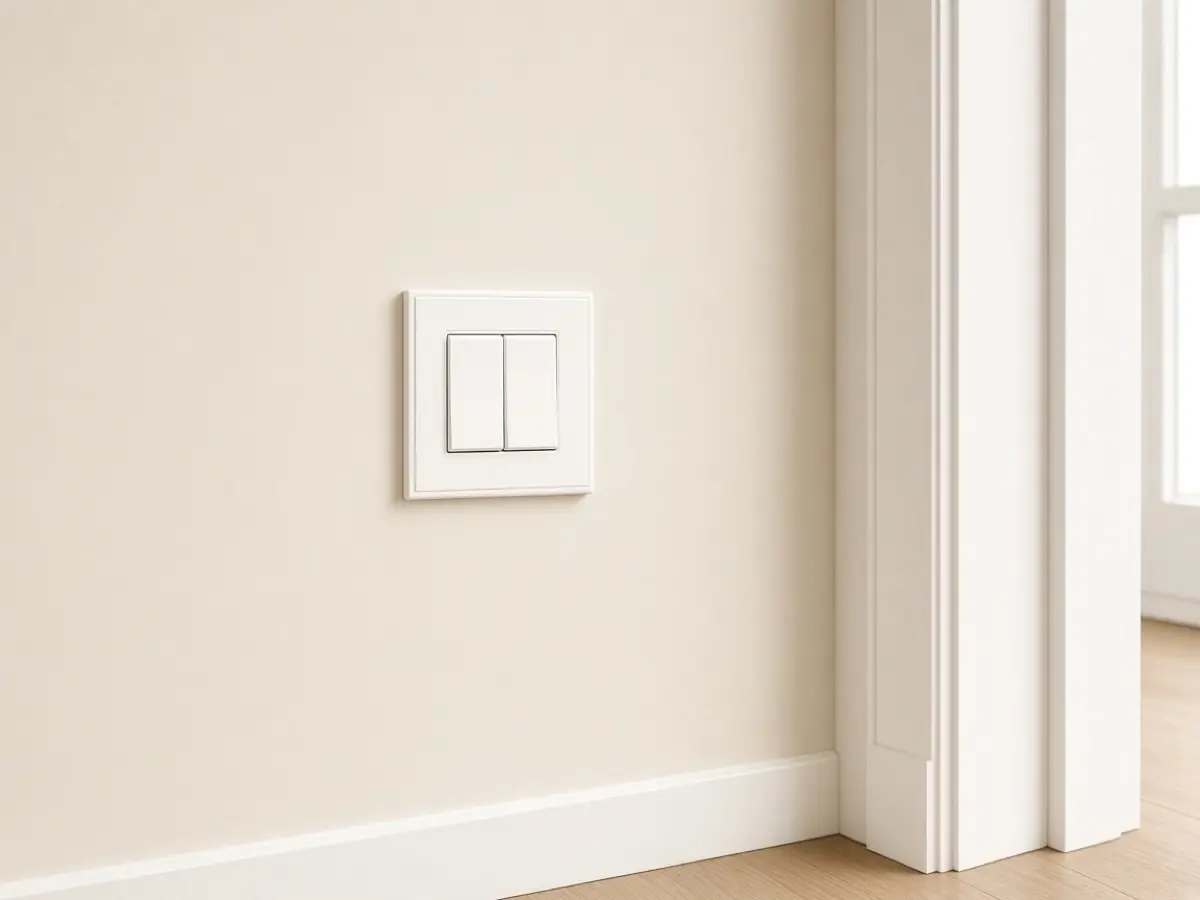
Outlet covers and a switch plate in a yellowed ivory next to white trim make a fresh door look unfinished. A pack of plates in the trim color, usually white or a paintable plastic, is a few dollars. Turn the breaker off, unscrew the old plate, and put the new one on. Do not paint around a yellowed plate and hope. The edge will show.
If the covers are metal and the rest of the room is brass, match that instead of introducing chrome. One wall is enough for this budget. The bedroom switches can wait. This is a twenty-minute job, which is why it belongs in a hundred-dollar afternoon and not on a someday list.


6. Quiet the furniture you are keeping
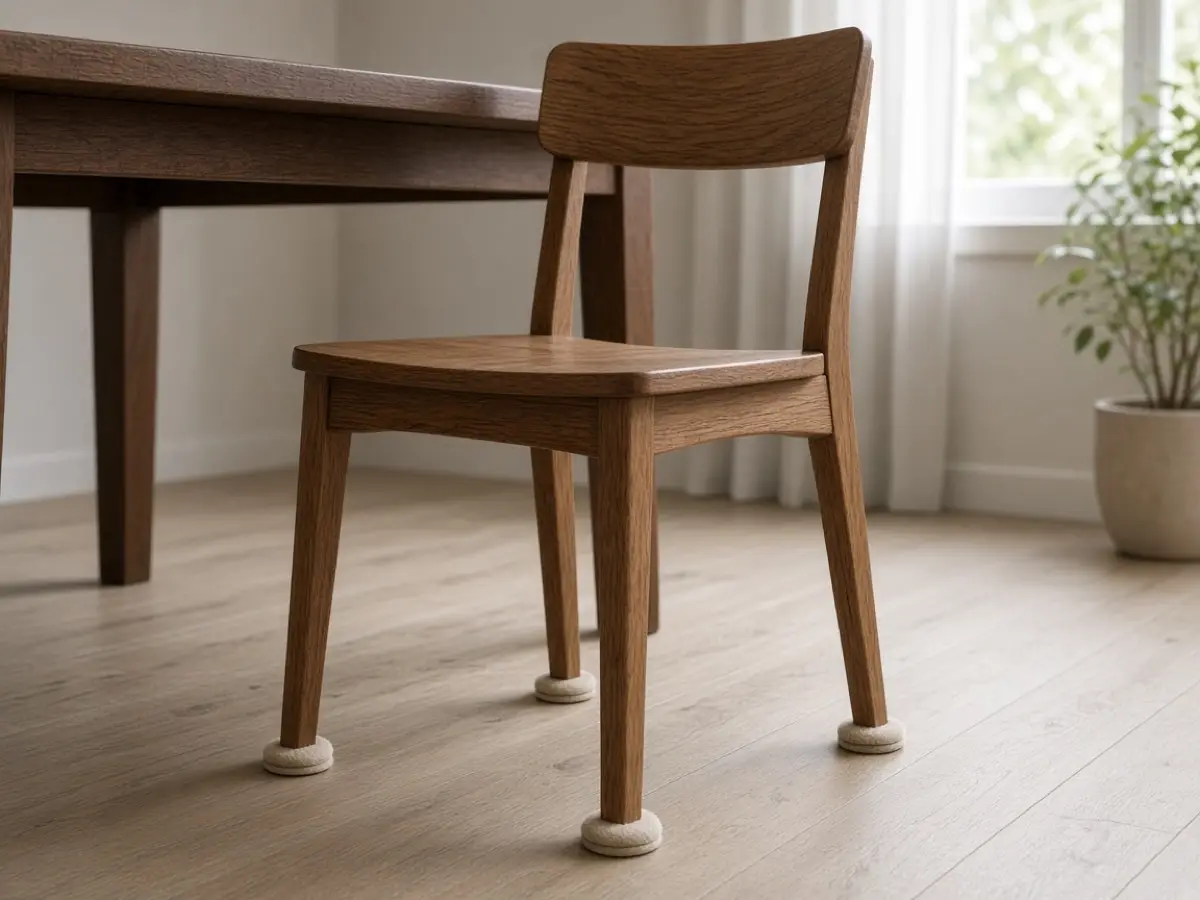
Squeaks and wobbles make a room feel neglected even when it is clean. A pack of felt pads, a hex key, and ten minutes under the sofa and the dining chairs fix most of it. Tighten the legs. Add a pad where wood hits wood or where a chair hits the floor you care about. If a leg is actually broken, stop. A hundred dollars does not include a new frame, and a glued break that fails next week wastes the afternoon.
Pads are a few dollars. Buy one pack, not a kit with fifty sizes you will lose. The same quieting shows up when you clear a laundry floor: the room works better when the things you already own stop fighting you.


7. Reframe one picture
A poster in a bent frame, or a print leaned because the hanger failed, is a small job with a large effect. A ready-made frame in a size you already have, often 11 by 14 or 16 by 20, plus a picture hook rated for the weight, stays inside fifteen dollars if you skip the custom mat. Hang it at about 57 inches to the center, which is eye level for most people standing in the room.
Use the hardware in the box. A nail that is too small will pull out of drywall. If you are renting, one hook and a small hole is easier to patch than a gallery of them. One picture, straight, beats five you meant to align and did not.



8. Caulk the gap you keep seeing
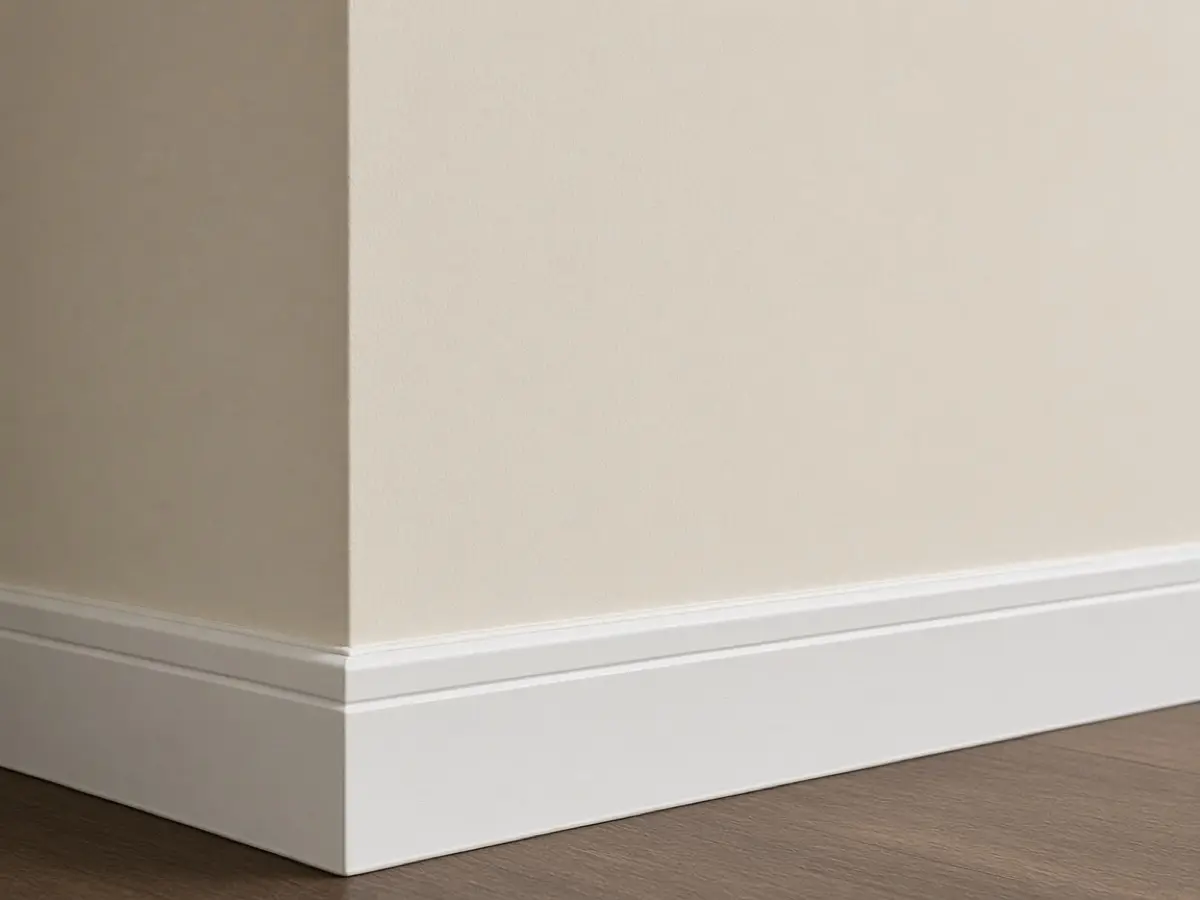
A dark line between the baseboard and the wall, or around the door casing, reads as damage. A tube of paintable caulk and a damp finger or a cheap smoothing tool closes it. Cut the nozzle small. You can always cut more. A wide bead looks like an accident. Wipe the extra before it skins over, about ten minutes on most tubes.
The tube is a few dollars and will do this room and the next. Do not caulk a gap that is actually a moving crack from the house settling if it is wider than a pencil. That needs a different repair. This job is for the hairline shadow, the one you notice every time you vacuum.



9. Add one plain pillow
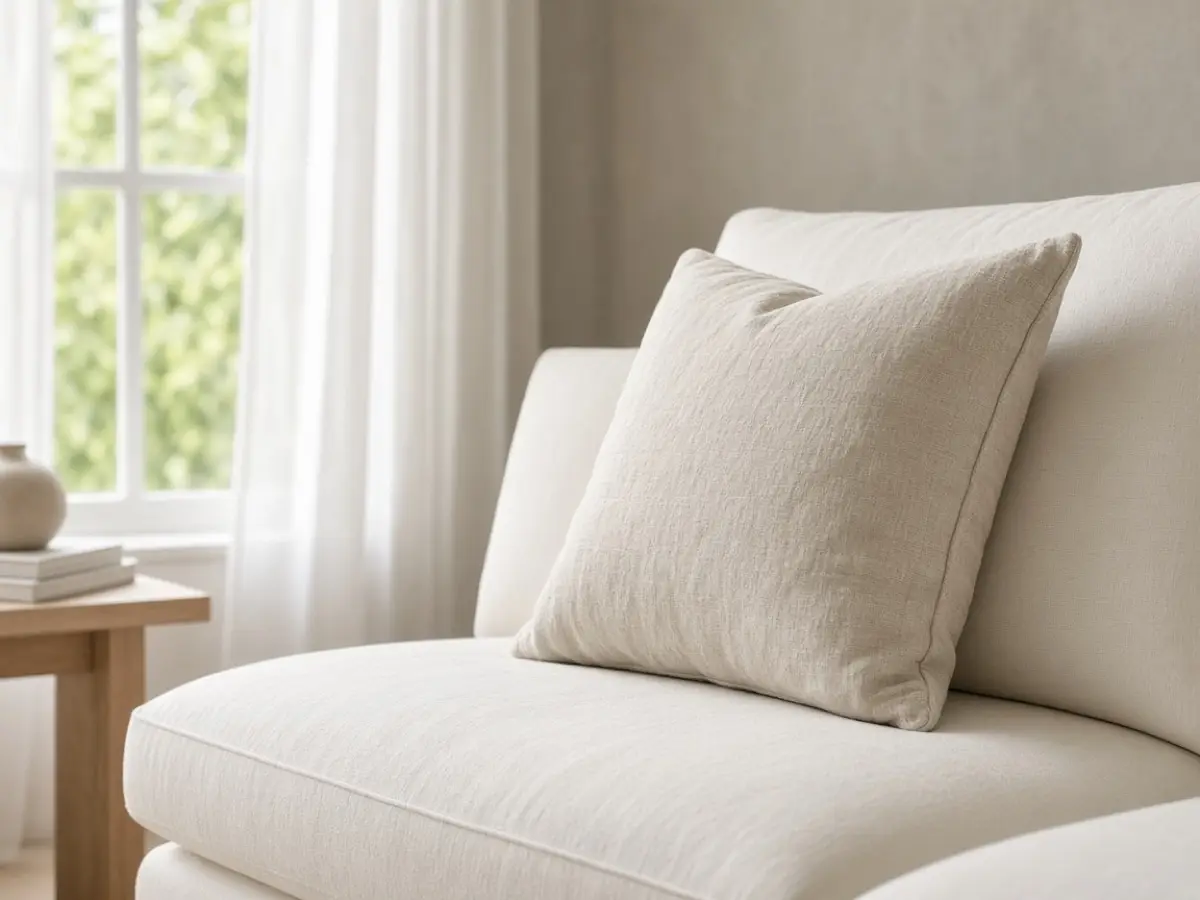
If the sofa looks flat, one pillow in a solid cover that matches the throw you own is the purchase. Not a set of four. A cover you can wash, about 20 inches, in linen or cotton. If you already have a pillow form, buy the cover only and keep the money. Patterns with words or a giant motif date faster than a solid, and they are harder to live with after the “refresh” feeling fades.
Plan the pillow near twenty dollars or less. If the sofa is the one you turned toward the window in the living-room edit, this pillow goes on the seat you use, not as a display row. One is a change. Four is a new hobby.



10. Leave the last dollars alone
Add the list. Door, bulbs, rod, plant, plates, pads, frame, caulk, and pillow land near a hundred if you skip the duplicates. If you are under, do not hunt for a tenth object to hit the number. Unspent money is how the plan survives a brush you had to replace or a bracket that came two to a pack when you needed one.
Write the total on a slip and tape it inside a drawer. Next time you want to “finish the room,” you will remember that the door and the rod did the work. The fall edit can borrow the same idea: a short list, then stop. A budget that must be spent is just shopping.



Tips Before You Start
- Do the free edits first. Spend money only on what turning and clearing cannot fix.
- Paint a door before you paint a room. A quart is the whole wall plan.
- Match bulb warmth in the two lights you actually use at night.
- Raise the rod only if the curtains are already long enough.
- One plant, one pillow, one frame. Sets blow the budget.
- Stop when the useful jobs are done, even if you have not spent the full hundred.
FAQ
What can I do to a room for about a hundred dollars?
Paint the door, swap two bulbs, raise the curtain rod, buy one easy plant, and match the switch plates. Add felt pads, one frame, a tube of caulk, and a single pillow if the total still fits.
What should I skip on a small makeover budget?
A new sofa, new curtains that are still too short, a gallery wall, and a set of pillows. Those blow past a hundred dollars and do less than a painted door and a higher rod.
Should I paint the walls or the door first?
The door. A quart covers it, the mess is contained, and you can see the change from the hall. Walls can wait until you know you like the color in daylight.
How do I keep a cheap refresh from looking cheap?
Use fewer objects and match the finishes you already have. One solid pillow and white plates on white trim look finished. A pile of mismatched sale items looks like the budget.
A hundred dollars is enough when it pays for a door, two bulbs, and a rod in the right place. Make the list, do those jobs, and leave the rest of the money alone.