
9 Weekend Guest Room Changes on a Modest Budget

On this page11 sections
Spare rooms tend to collect things. Old furniture, boxes, a desk nobody uses, a bed made up with mismatched sheets. Then a visit gets booked and the room suddenly needs to feel welcoming. It is a common situation, and it is easier to fix than it looks. The good news is that a guest room rarely needs a full renovation. A focused weekend and a modest budget can change it completely.
The nine projects below are chosen for impact per hour and per dollar. Most can be done in a day; together they fill a weekend. Do all of them or pick the three that matter most for your room. If you also want the room to be quick to reset between visits, the easy guest bedroom reset post covers the routine side.
As an Amazon Associate I earn from qualifying purchases.
1. Clear the room first
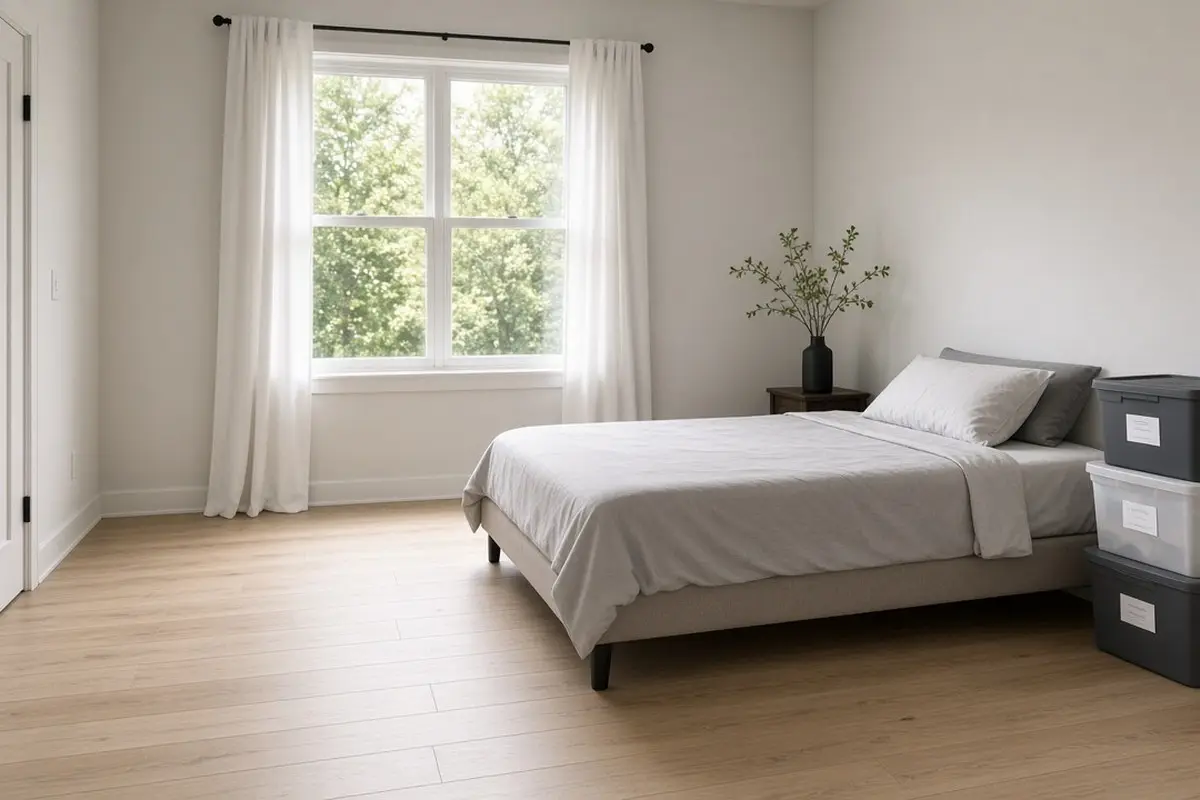
Before you buy anything, empty the room as much as you can. Take out boxes, spare furniture, and anything that is not for guests. Sort it into keep, donate, and throw away, and move the keep pile into closed storage elsewhere or into labeled bins under the bed.
This step costs nothing and often makes the biggest difference. A spare room usually feels unwelcoming because it is full, not because it is badly decorated. Once it is clear, you can see what the room really needs, and you may find you need far less than you thought.
Do this on Friday evening, so Saturday starts with a blank room.
While the room is empty, clean it properly. Wash the windows, wipe the baseboards, vacuum under where furniture stood, and dust the light fixture. A thoroughly clean room already feels refreshed, and it makes painting easier the next morning.
Look at the furniture you kept with fresh eyes, too. A dresser might move to a better wall, or the bed might work better under the window. Rearranging costs nothing and is easiest when the room is empty.
Get the look

2. Paint one wall or the whole room
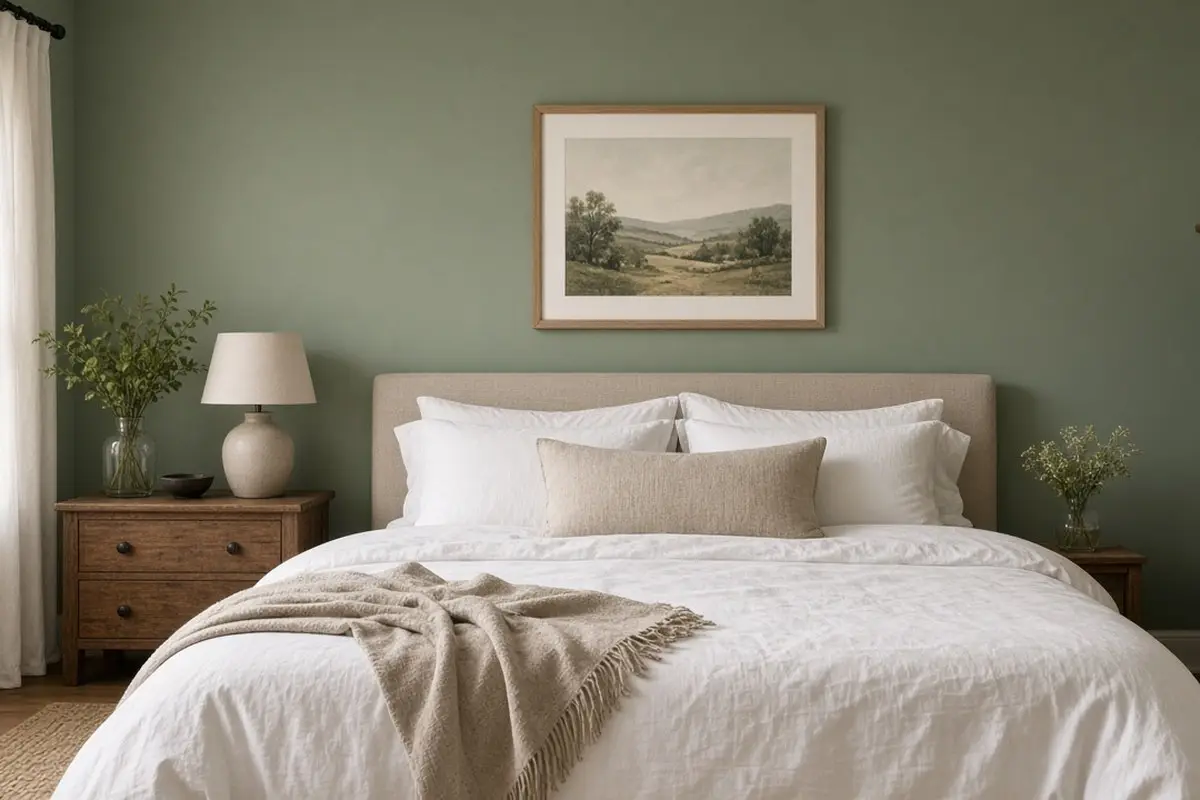
Paint is the cheapest way to change a room. A single accent wall behind the bed takes a morning; a whole small bedroom takes a day with two coats. Choose a soft, welcoming color: a muted green, warm white, pale blue, or soft clay all suit guest rooms because they feel calm to almost everyone.
Prep is most of the job. Wash the walls, fill small holes, tape the trim, and lay drop cloths. Cut in around edges with a brush, then roll the large areas. Two thin coats look better than one thick one.
If you are renting, ask about painting or use peel-and-stick wallpaper on one wall instead.
Budget for one gallon for an accent wall and two to three for a small room. Better quality paint covers in fewer coats, which often saves money overall. Buy a sample first and paint a large swatch to check it in both daylight and lamplight before committing to a full can.
Get the look
3. A DIY headboard
A bed without a headboard looks unfinished. A simple DIY headboard fixes that in an afternoon. Options include a painted headboard shape on the wall, a wood panel cut to size and stained, an upholstered board made from plywood, foam, and fabric, or a row of large pillows hung from a rail.
The painted version is the cheapest: tape out a rectangle or an arch behind the bed and paint it in a deeper shade of the wall color. It looks deliberate and costs only a sample pot.
For an upholstered version, cut plywood to the width of the bed and about 24 to 30 inches tall. Glue on a layer of foam, wrap it in batting, then stretch fabric over the front and staple it at the back. Mount it to the wall with a French cleat so it sits flat and can be removed later. A linen or cotton canvas in a neutral color suits most guests.
Get the look
4. New bedding
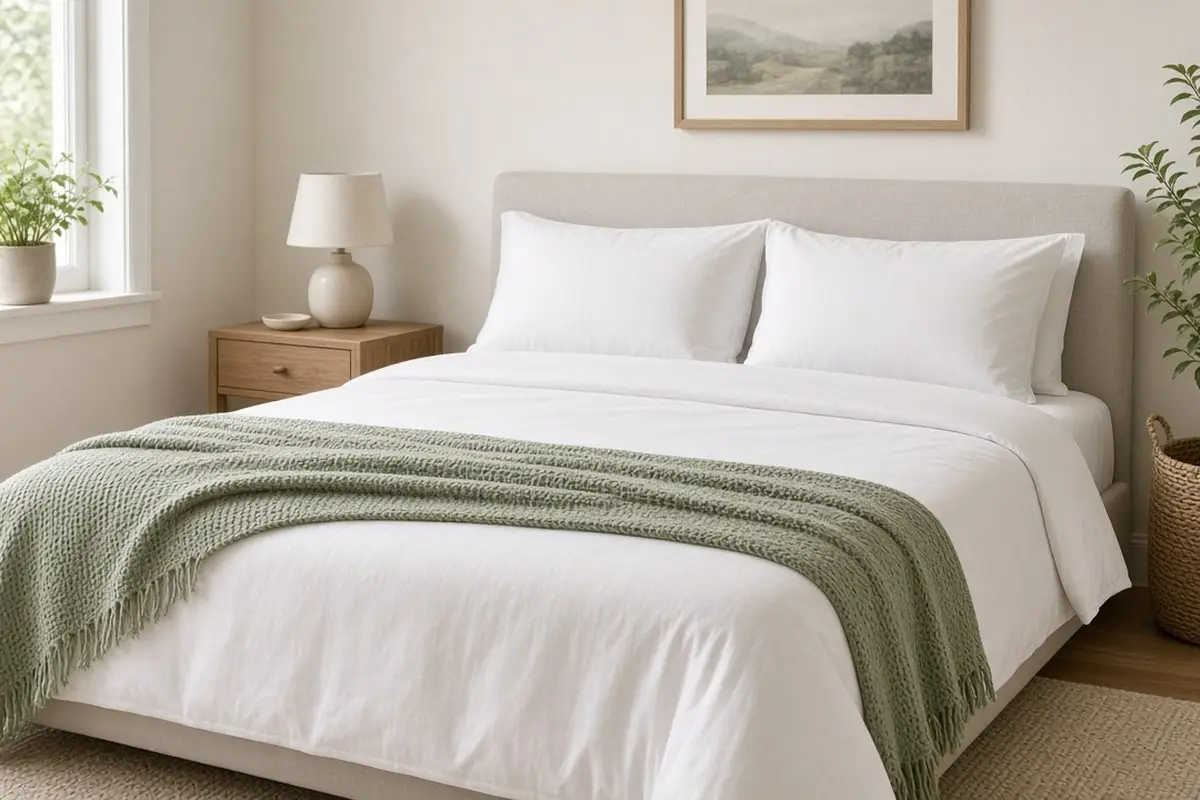
Fresh bedding transforms a bed. You do not need anything expensive: a simple cotton duvet cover in white or a soft color, matching pillowcases, and a throw. Wash it before guests arrive so it feels soft.
Mismatched sheets are one of the clearest signs of a forgotten spare room. A complete matching set fixes it at once and makes the whole room look cared for.
While you are at it, check the pillows and mattress. Old, flat pillows are cheap to replace and make a huge difference to how well guests sleep. A mattress topper can give a tired mattress a few more years of comfort without the cost of a new one.
Get the look
5. Swap the light fixture
An old ceiling light can make a room feel dated. A new pendant or flush mount is a quick swap if you are comfortable with basic wiring, or a short job for an electrician. A woven pendant or a simple linen drum shade adds warmth right away.
If changing the fixture is not possible, a plug-in pendant or a swag light hung from a ceiling hook gives a similar effect without wiring.
Always turn off the power at the breaker before working on a light fixture, and test that the circuit is dead before touching any wires. If the wiring looks old or unclear, call an electrician; it is usually a short, inexpensive visit.
Get the look
6. Add bedside lamps
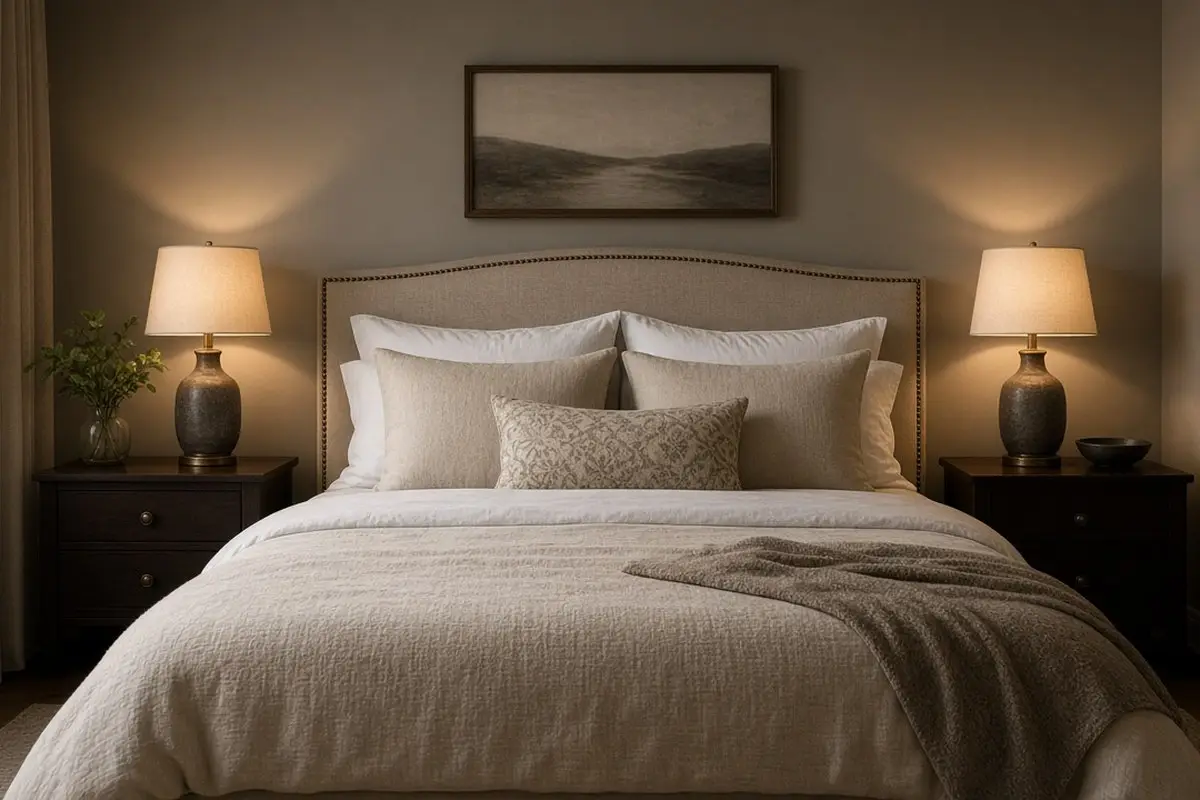
Guests need a light they can reach from bed. If the room has only an overhead light, add a lamp on each side, or one lamp and a wall sconce. Warm bulbs make the room cozy at night.
Matching lamps look tidy and hotel-like, but two different lamps of similar height also work and feel more collected. Secondhand stores often have good lamp bases that only need a new shade. Put lamps on a switched outlet or use smart plugs so they can be turned on from the door.
Get the look
7. Curtains that actually close
Many spare rooms have thin or broken blinds. Guests sleep better in a dark room, so add blackout curtains. Hang them high and wide on a simple rod. It makes the window look bigger and blocks early light.
Mount the rod about 4 to 6 inches above the window frame, or closer to the ceiling, and extend it 8 to 10 inches past each side. Curtains that just touch the floor look most finished. If blackout fabric feels heavy, use a blackout liner behind a lighter linen panel.
Get the look

8. A rug underfoot
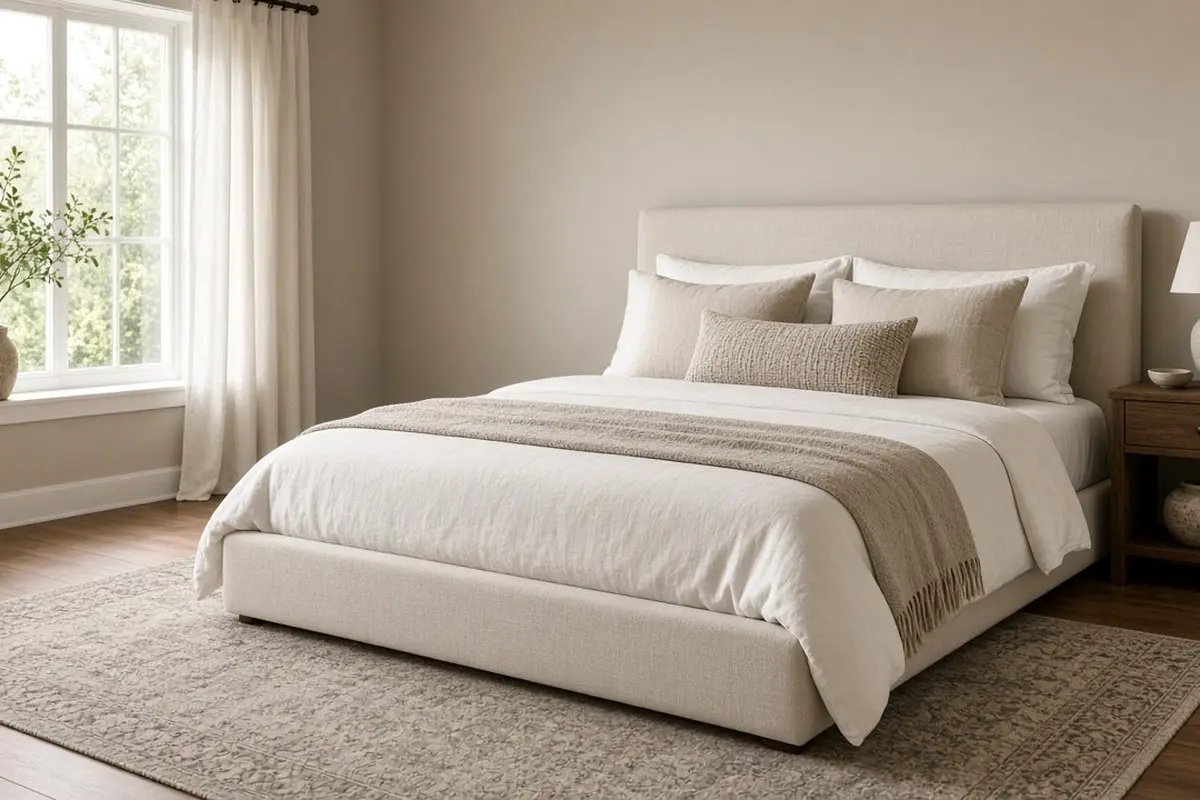
A rug softens footsteps, warms bare feet, and makes the room look finished. Choose one large enough that the bed’s lower two-thirds sit on it, or use runners on each side of the bed. A washable rug is ideal in a guest room.
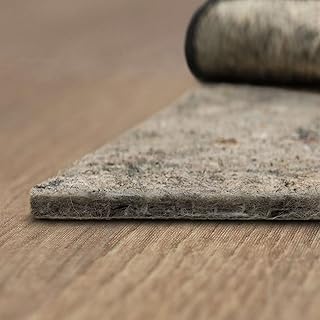
A rug pad stops it slipping and adds extra softness. If the floor is carpeted, a smaller rug layered on top adds texture and color without needing to cover the whole floor.
9. Finish with art and a plant
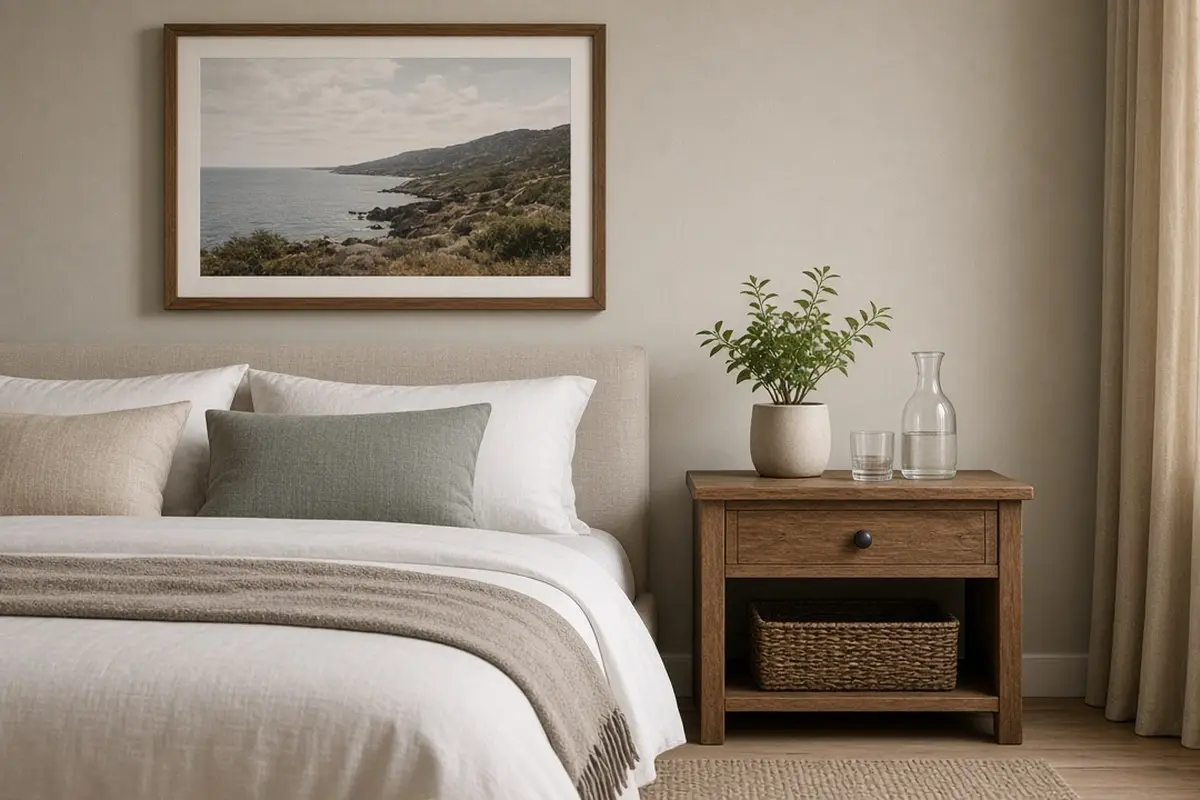
The last step is personality. Hang one piece of art above the bed, add a plant, and put a few books on the nightstand. It takes an hour and turns a spare room into a guest room.
Secondhand frames and prints are inexpensive and look collected. A single large frame is easier to hang straight than a gallery.
Add a few small comforts while you are at it: a carafe and glass on the nightstand, a small mirror near the door, hooks for coats, and a basket with spare toiletries. None of them cost much, but together they tell guests the room was prepared with them in mind.
Finally, sleep in the room yourself for one night. You will notice the draft from the window, the lamp that is hard to reach, or the streetlight that shines in at 3 a.m. Fixing those small things is the last and most useful step of any guest room makeover.
A Simple Weekend Plan
- Friday evening: Clear the room.
- Saturday morning: Paint.
- Saturday afternoon: Headboard and light fixture.
- Sunday morning: Curtains, lamps, rug.
- Sunday afternoon: Bedding, art, plant.
FAQ
How can I make over a guest room on a budget?
Clear it, paint it, and add new bedding, lamps, and curtains. Those few changes have the biggest impact.
What does a guest room need most?
A comfortable bed, fresh bedding, a bedside lamp, curtains that close, and a clear place to put things.
Can I finish a guest room makeover in a weekend?
Yes, if you plan ahead and buy supplies before you start. The hundred dollar room refresh post has more low-cost ideas.
What paint color is best for a guest bedroom?
Soft, calm colors that suit most people: warm white, muted green, pale blue, or a gentle clay. The calm bedroom paint colors post lists dependable options.
Should a guest room have a desk?
If space allows, a small desk or table is useful for guests who work while visiting. Keep it clear, with a lamp and an outlet nearby, so it doubles as a dressing table or a place to set down a bag.
A weekend and a modest budget are enough to turn a forgotten spare room into a guest room people remember. Clear it, paint it, light it, and finish it with a few soft touches.