
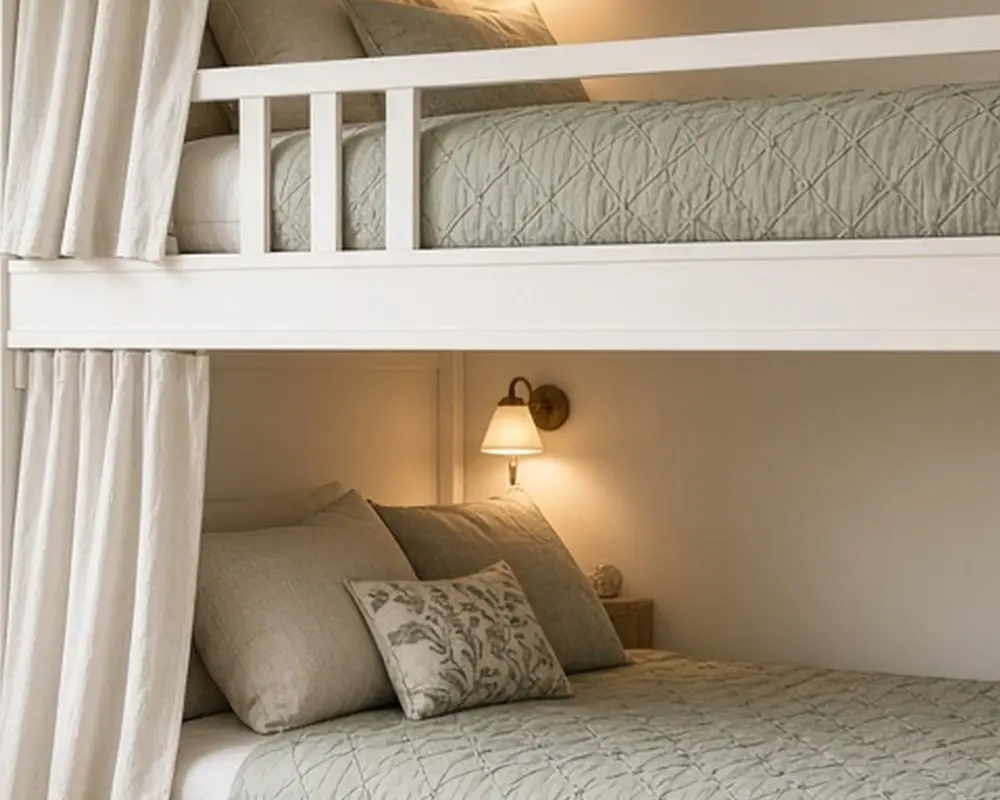
10 Bunk Rooms That Still Feel Like a Real Bedroom

On this page11 sections
Bunk beds solve a real problem. They fit two sleepers into the floor space of one, free up room for play or a desk, and make sharing possible in homes where bedrooms are short. But they can also make a room feel like a hostel: a metal frame in the corner, mismatched bedding, a single overhead light, and nowhere for either sleeper to call their own.
A good bunk room feels like a bedroom first. Each bunk has its own light, its own shelf, a little privacy, and bedding that looks considered. The furniture is solid and safe. The room around the beds is calm. The ten ideas below cover how to get there, whether you are setting up a shared kids bedroom, a guest bunk room at a cabin, or a bunk bed makeover for a room that already has them. If floor space is your main concern, the small bedroom that feels bigger post has more layout tricks.
As an Amazon Associate I earn from qualifying purchases.
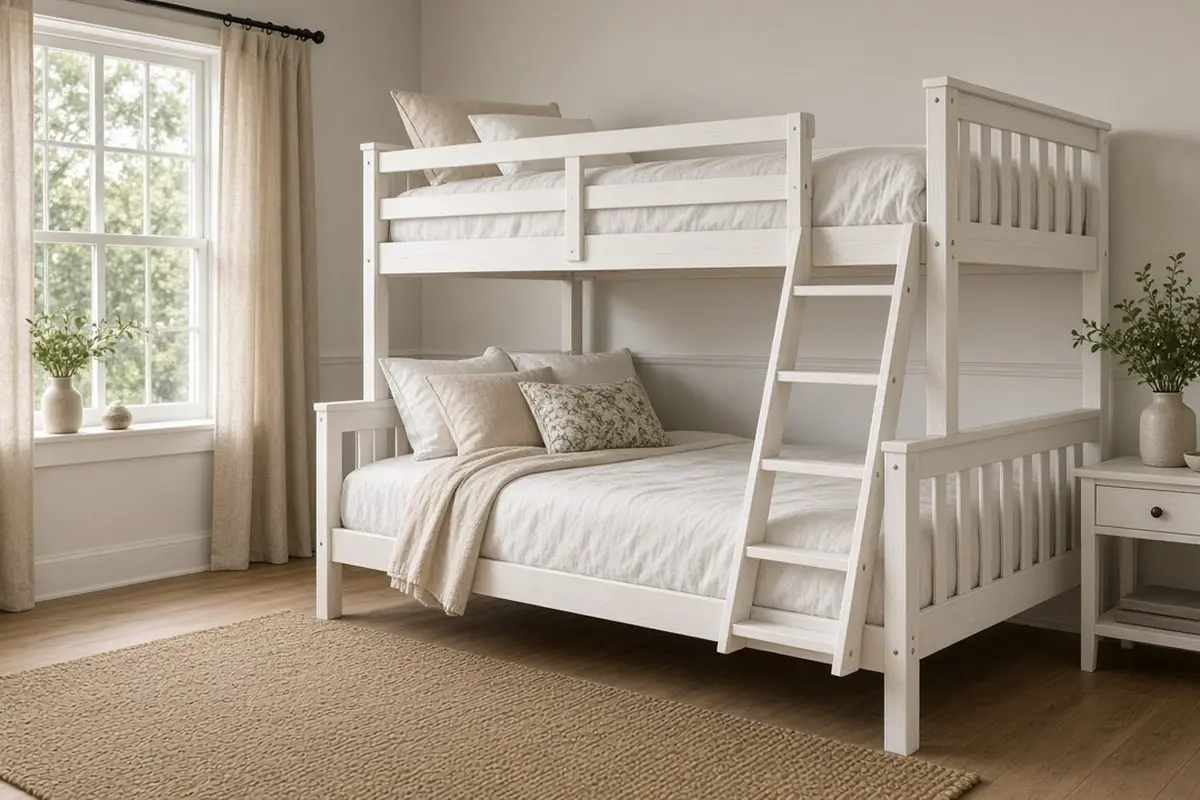
1. Choose a solid frame first
Everything else depends on the bed itself. A sturdy wood bunk bed with thick posts, a full-length guardrail on the top bunk, and a secure ladder feels and looks better than a thin metal frame that wobbles. It is also safer.
Check that the top guardrail rises at least 5 inches above the mattress, that the gaps in the rails are small enough that a child cannot slip through, and that the ladder is fixed firmly. Most safety guidance recommends children be at least six before sleeping on the top bunk.
Use the mattress thickness the manufacturer recommends. A mattress that is too thick reduces the height of the guardrail and makes the top bunk less safe.
If you already have a metal bunk, it can still look good with the right bedding and lighting. But if you are buying new, a simple wood frame in white, natural, or a soft painted color is the best base for a bedroom-like look.
Get the look
2. A reading light for every bunk
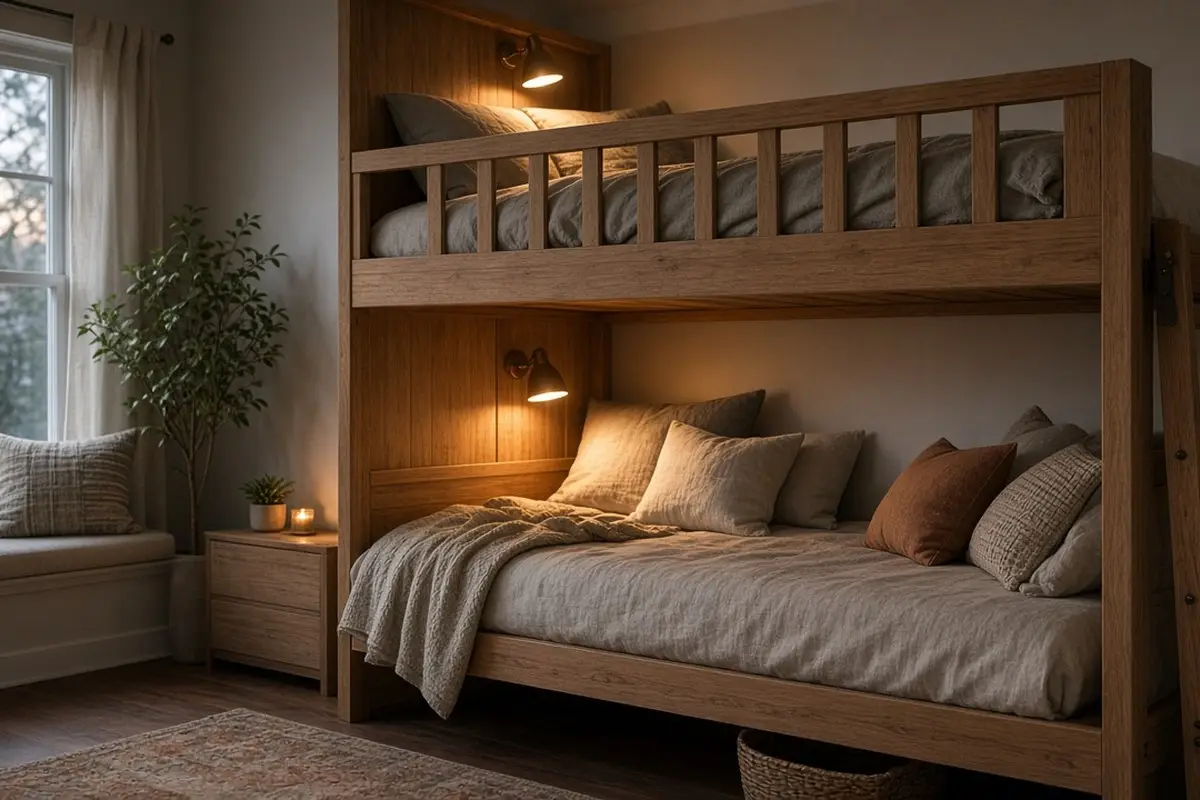
Bunk room lighting makes the biggest difference to how a shared room feels. A single ceiling light means one person decides when it is dark for everyone. A small light on each bunk lets each sleeper read, wind down, or get up without disturbing the other.
Plug-in or rechargeable wall lamps work well, as do clip-on lights fixed to the bed frame. Choose warm white bulbs and a switch that can be reached from the pillow. Rechargeable lights avoid cords running up the frame, which is safer on a top bunk.
A warm light on each bunk also makes the beds look like cozy nooks rather than storage shelves for people.
Get the look
3. A bunk shelf for each sleeper
Top bunks rarely have anywhere to put a book, a glass of water, or glasses. A small shelf that clips onto the guardrail, or a wall shelf fixed beside the top bunk, solves it. The bottom bunk can share a nightstand or have its own small shelf on the wall.
Give each sleeper their own spot and they will each feel the bunk is theirs. A small framed photo or a favorite object on each shelf makes the bunk feel personal. Keep the shelves small and light, and avoid anything breakable on the top bunk.
Get the look
4. Curtains for privacy
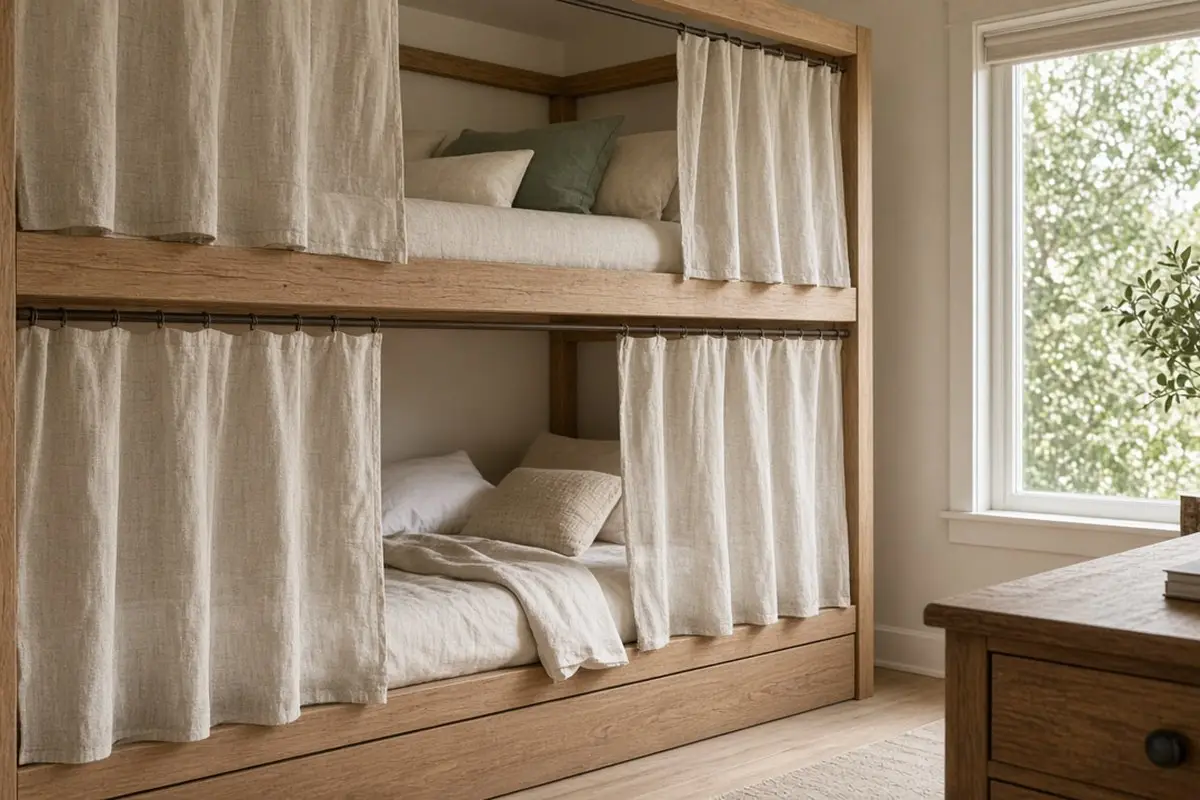
A simple curtain on each bunk turns it into a private little room. Tension rods or a slim rail fixed to the frame hold a light curtain that can close for sleep or reading. Children love this, and older siblings or adult guests appreciate the privacy.
Choose lightweight cotton or linen so the bunk does not get stuffy. Pick a fabric that coordinates with the bedding so the whole bed looks designed.
For younger children, keep curtains short enough that they do not reach the floor or tangle in the ladder. Ties or tiebacks let them stay open during the day, so the beds still look tidy and air can move.
Get the look
5. Matching but not identical bedding
Bedding that matches makes a bunk room look calm. Bedding that is identical can feel institutional. The middle ground is a shared palette: the same white sheets on both bunks, with a different quilt in coordinating colors for each sleeper. Or the same quilt in two colors.
Quilts and duvets that tuck in neatly are easier on bunks than big fluffy comforters, which are hard to make on a top bunk. A fitted quilt or a zip-on bunk bedding set makes the top bunk much easier.
Let each child choose their own quilt from a short list you approve. They get a sense of ownership, and the room stays coherent. A folded throw at the foot of each bunk and one or two pillows in a coordinating color finish each bed without clutter.
Get the look
6. A painted wall or headboard shape
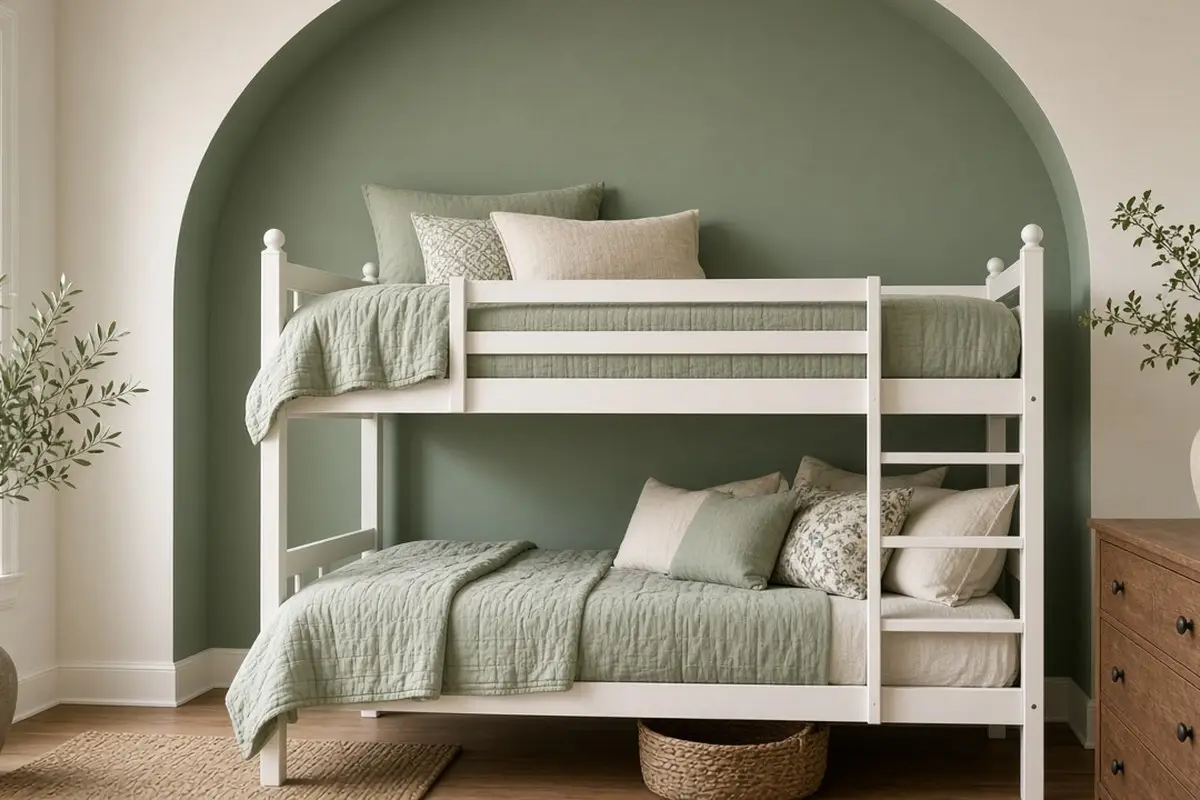
Paint is a cheap way to make the bunk wall feel special. A painted arch or rectangle behind the bunks, or a color block on the lower half of the wall, frames the bed and makes it a focal point. Choose a soft shade so the room stays restful.
A two-tone wall also works well in shared rooms. Paint the lower third or half of the wall in a deeper color, which hides scuffs from little feet and toys, and keep the top half light so the room feels open. Run the line at the height of the bottom bunk for a neat, built-in look.
Removable wallpaper behind the bunks is another option. Pick a small, gentle pattern that both children like, and keep the other walls plain.
Get the look

7. Storage under the bottom bunk
Underbed drawers or rolling bins under the bottom bunk hold extra bedding, toys, or clothes. Many bunk beds offer a trundle or drawer option. If not, measure the clearance and choose low bins on wheels.
A trundle is worth considering if you host sleepovers or cousins. It gives a third bed that disappears during the day. Keep the trundle mattress made up with its own sheets so it is ready in a minute.
Get the look

8. Hooks and pegs for each child
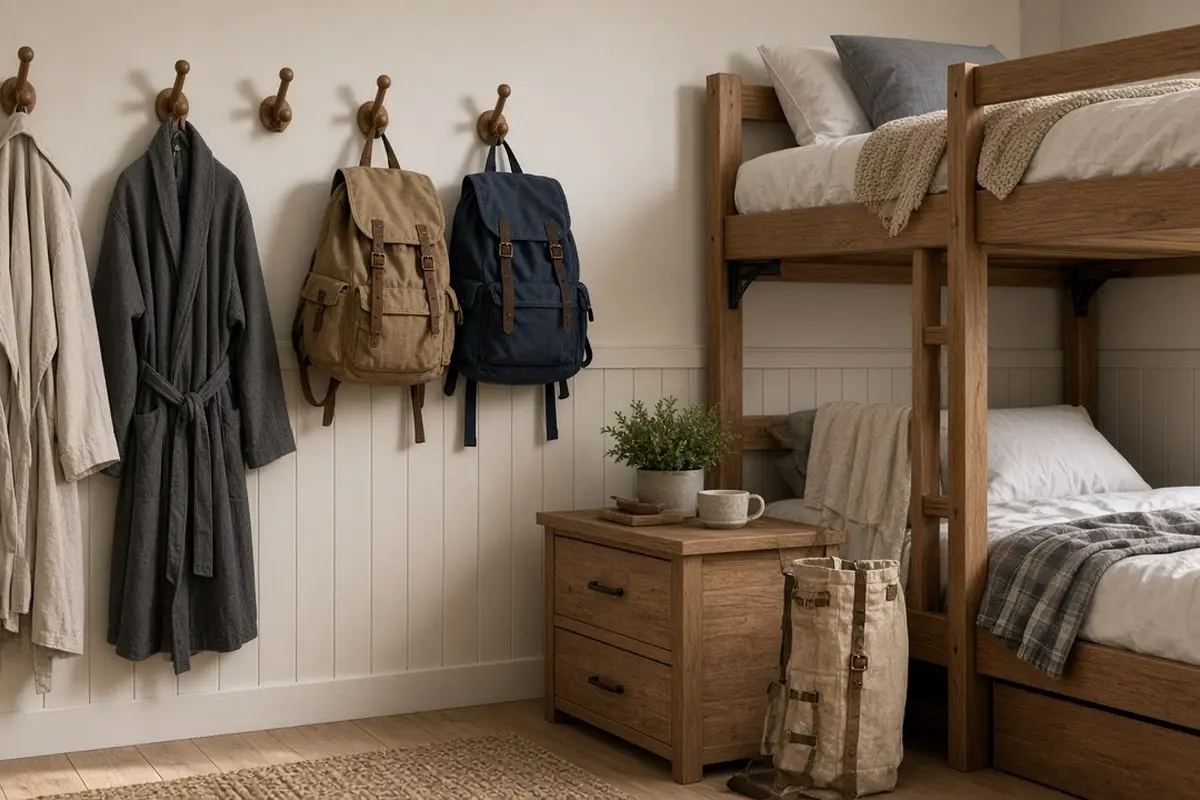
A row of pegs or hooks, one set for each child, holds robes, bags, and tomorrow’s clothes. Label them with initials or colors so everyone knows which is theirs.
Mount pegs at a height children can reach themselves. Getting their own robe and bag teaches independence and keeps the floor clear, which matters when two people share one room.
9. Keep the rest of the room simple
Bunk beds are tall and visually busy. Balance them with a calm room: a plain rug, simple curtains, one dresser, and walls that are not crowded. The bunk is the feature; everything else supports it.
Put the bunk against the longest solid wall, away from windows, so the top sleeper is not near glass and the curtains can still open freely. Leave the opposite wall for a dresser or a desk. If the children are older, a desk for each, or a long shared desk with two chairs, gives them somewhere to work that is not the bed.
If the room also has a single bed, as in a room for three, keep the bedding palette the same across all beds.
Get the look
10. A night light and a clear path
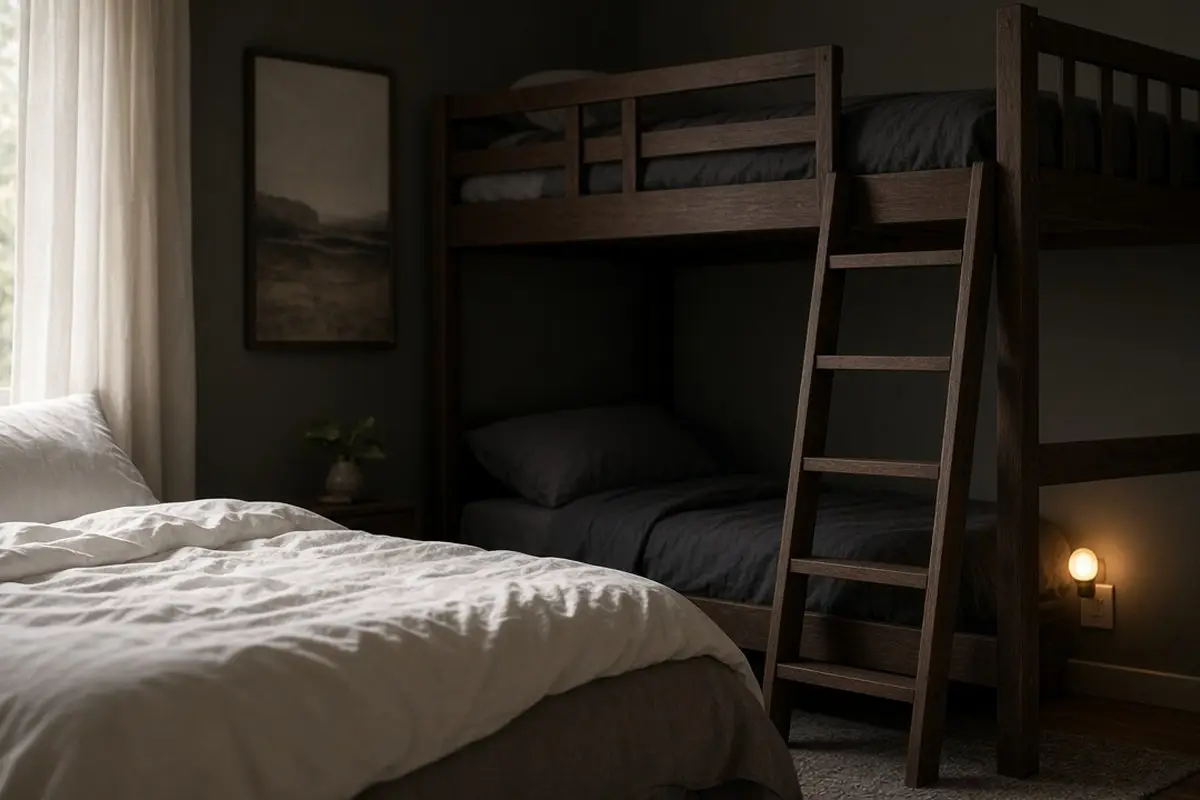
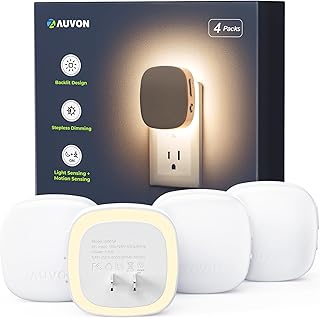
Finally, plan for nighttime. A small night light near the ladder and a clear path to the door make getting up safe in the dark. Keep the floor at the base of the ladder free of toys.
If the top bunk is near the ceiling light, make sure the fixture is flush to the ceiling and not a hanging pendant, which could be a hazard for a child sitting up. Bunk room lighting at night should be low, warm, and placed where it does not shine into either sleeper’s eyes. The moody bedroom lamp light post covers warm lighting in more depth.
Get the look

FAQ
How do I make bunk beds look nice?
Choose a solid frame, add a light and a shelf for each bunk, use coordinated bedding, and keep the rest of the room simple.
What age is safe for a top bunk?
Most guidance recommends age six and up.
How do I give siblings their own space in a shared room?
Bunk curtains, separate lights, labeled hooks, and their own shelf. The couples bedroom storage post has ideas for splitting storage fairly.
Where should a bunk bed go in a room?
Against a solid wall, away from windows and ceiling fans, with clear space around the ladder. Make sure the top bunk has at least 30 inches of headroom so the sleeper can sit up.
Can adults use bunk beds?
Yes. Look for frames rated for adult weight and full or twin XL mattresses. Cabin and guest bunk rooms often use sturdy built-in bunks designed for adults.
A bunk room can feel like a real bedroom. Get the frame right, light each bunk, add privacy and storage, and keep the room around it calm.